



Top things to do in Bujumbura
Most highlights are a short drive from the centre, with rewarding day trips into the hills.
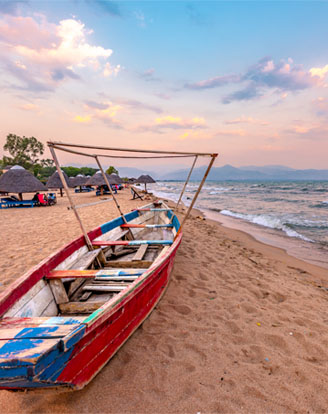
- Lake Tanganyika beaches — The sandy shores north of the city are popular for swimming, sunset drinks and weekend gatherings. Lake Tanganyika is one of the world's oldest and deepest lakes.
- Rusizi National Park — Where the Rusizi River meets the lake, this wetland reserve is known for hippos, crocodiles and rich birdlife.
- Livingstone–Stanley Monument — At Mugere, south of the city, a stone marks the spot where the explorers are said to have camped in 1871.
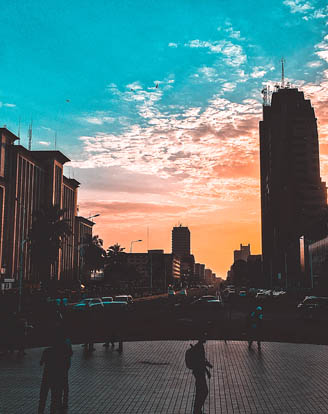
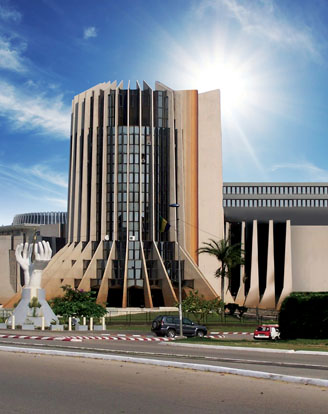
- City centre and markets — Stroll among the low-rise streets of the centre, browse local markets for colourful fabrics and baskets, and watch daily life along the main avenues.
- Hillside viewpoints — The hills east of the city, around Kiriri, offer sweeping views over the city and lake.
- Burundi's royal drummers — The ritual dance of the royal drum is listed by UNESCO as intangible cultural heritage. Performances are often held at the Gishora drum sanctuary near Gitega, a day trip east of the city.
Best time to visit Bujumbura
The main dry season runs from June to September, bringing sunny days, lower humidity and easier travel on country roads. This is the most comfortable time for beach days, park visits and trips into the hills.
Bujumbura lies low beside the lake, so it feels warm year-round. The rains fall mainly from October to May, with a shorter, drier spell around January and February.
Getting from the airport
Bujumbura is served by Melchior Ndadaye International Airport (BJM), formerly known as Bujumbura International Airport, on the northern side of the city. Taxis wait outside the terminal; agree the fare before you set off. Many hotels can arrange an airport transfer if you book ahead.
Where to stay
Most visitors stay centrally or near the lake.
- Rohero — A central, well-kept district with cafés, offices and embassies; a practical base for first-time visitors.
- Kiriri — A leafy hillside area above the city, quieter and cooler, with views over the lake.
- Kinindo — A residential area in the south, with a relaxed feel and access to the lake shore.
- City centre — Close to markets, banks and government buildings; convenient for short business trips.
Travel tips
- Money — Cash in Burundian francs is widely used and cards are accepted in few places. Exchange money at banks or official bureaux.
- Getting around — Taxis are the easiest way to get around; agree the fare before the trip or ask your hotel to book a driver you can use for the day.
- Etiquette — A few words of French or Kirundi are appreciated. Ask before photographing people, and avoid photographing government or military buildings.
- What to pack — Light, breathable clothing, sun protection, insect repellent and a rain jacket in the wet season. Seek medical advice on malaria prevention before you travel.
- Before you go — Check current entry requirements for Burundi before travel using RwandAir's travel requirements tool.
Frequently asked questions
What is the best time to visit Bujumbura?
The best time to visit Bujumbura is the dry season from June to September, when days are sunny and less humid. It is warm year-round, with most rain falling between October and May.
Which airport serves Bujumbura?
Bujumbura is served by Melchior Ndadaye International Airport (BJM), on the northern side of the city. It was previously called Bujumbura International Airport.
How do I get from the airport to the city centre?
Taxis are available outside the terminal, and you should agree the fare before departing. Many hotels also offer airport transfers when booked in advance.
What currency is used in Bujumbura?
Burundi uses the Burundian franc (BIF). Cash is widely used, as card payments are not commonly accepted.
Do I need a visa to visit Burundi?
Entry requirements depend on your nationality and change from time to time. Check the latest requirements with RwandAir's travel requirements tool or the official government website before you travel.
Is Bujumbura the capital of Burundi?
Bujumbura is Burundi's largest city and economic capital, but the political capital moved to Gitega in 2019. Bujumbura remains the country's main commercial centre and international gateway.
Updated: