




Top things to do in Bangui
Bangui is a small capital best explored with local guidance. Plan outings in advance and check the latest local advice.
- The Ubangi River — The riverfront is the city's natural focal point, with wide views across the water to the DR Congo, especially at sunset.
- Barthélemy Boganda Museum — The national museum, named after the country's founding father, presents traditional musical instruments, tools and objects from the Central African Republic's many communities.
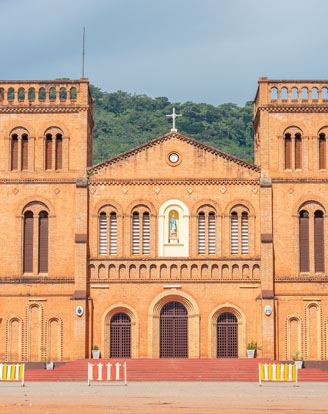
- Notre-Dame Cathedral — The red-brick cathedral in the city centre is one of Bangui's most recognisable buildings.
- Local crafts — Look out for wood carvings, woven items and the country's distinctive pictures made from butterfly wings, sold in the city's markets.
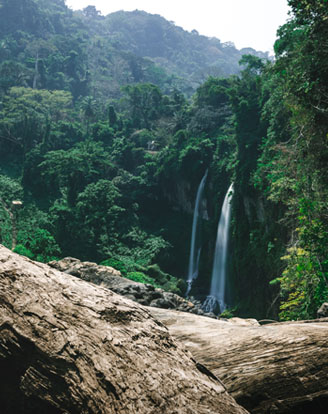
- Boali Falls — North-west of Bangui, these waterfalls are most impressive in the rainy season. Only make the trip with reliable local arrangements.
Best time to visit Bangui
The dry season from around December to February is the most comfortable time to visit, with sunny days, lower humidity and easier road conditions.
Bangui is warm to hot year-round. The rainy season runs mainly from April to October, with heavy storms that can make unpaved roads difficult. March and November are transitional months with some rain.
Getting from the airport
Bangui is served by Bangui M'Poko International Airport (BGF), on the north-western side of the city. Most visitors arrange a pick-up through their hotel or organisation in advance, which is the recommended option. Agree any taxi fare before you set off.
Where to stay
Most visitors stay in central areas close to offices, embassies and the river.
- City centre — Home to government buildings, banks and the cathedral; the most practical base for business trips.
- Riverfront — Areas along the Ubangi offer views across the river and a calmer atmosphere.
- Avenue Barthélemy Boganda — The main road linking the centre and the airport, convenient for early departures.
Travel tips
- Safety — Check your government's latest travel advice before booking and follow the security guidance of your hotel or host organisation throughout your stay.
- Money — The Central African CFA franc is used and cash is essential. Card payments and cash machines are limited, so bring what you need.
- Getting around — Use a trusted driver arranged by your hotel or organisation, and avoid travelling after dark.
- Etiquette — A greeting in French or Sango goes a long way. Ask before photographing people, and do not photograph official or military sites.
- What to pack — Light clothing, a rain jacket and insect repellent. Seek medical advice on malaria prevention before travel.
- Before you go — Check current entry requirements for the Central African Republic using RwandAir's travel requirements tool.
Frequently asked questions
What is the best time to visit Bangui?
The best time to visit Bangui is the dry season from around December to February. The rainy season runs mainly from April to October.
Which airport serves Bangui?
Bangui is served by Bangui M'Poko International Airport (BGF), on the north-western side of the city.
How do I get from the airport to the city centre?
The recommended option is a pick-up arranged in advance by your hotel or host organisation. If you take a taxi, agree the fare before you set off.
What currency is used in Bangui?
The Central African Republic uses the Central African CFA franc (XAF). Bring enough cash, as cards and cash machines are not widely available.
Do I need a visa to visit the Central African Republic?
Entry requirements depend on your nationality and change from time to time. Check the latest requirements with RwandAir's travel requirements tool or the official government website before you travel.
What languages are spoken in Bangui?
Sango and French are the official languages of the Central African Republic. Sango is widely spoken in daily life, while French is used in government and business.
Updated: