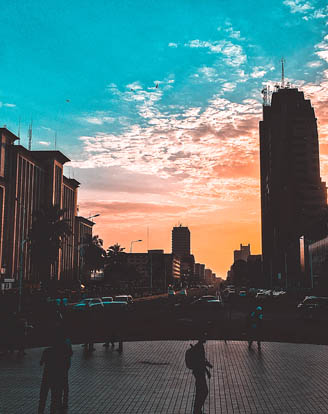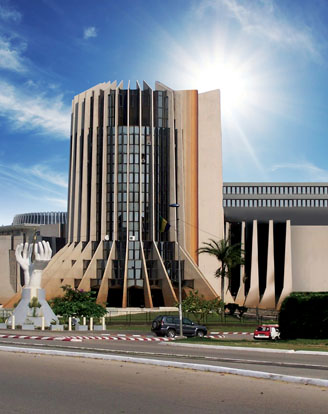

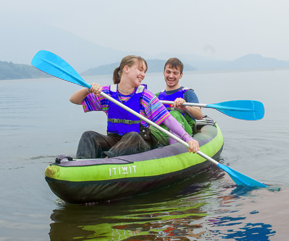



Goma’s setting between volcano and lake is striking, and its main attractions are natural. Access to parks and trails depends on current conditions, so always check before planning.
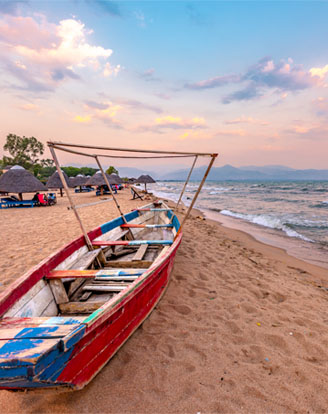
- Lake Kivu — One of Africa’s Great Lakes, with a long shoreline, boat trips and lakeside restaurants.
- Nyiragongo volcano — When open to visitors, an overnight hike leads to the crater rim and one of the world’s largest lava lakes.
- Virunga National Park — A UNESCO World Heritage Site known for mountain gorillas, volcanoes and forests, visited with official park arrangements.
- Lava landscapes — See the hardened lava flows from past eruptions that are part of the city’s landscape.
- Local markets — Browse busy markets selling produce from the fertile volcanic soils of North Kivu.
- Lakeside sunsets — Watch the sun set over Lake Kivu from the shore.
Thanks to its altitude, Goma enjoys mild temperatures all year, with warm days and cool evenings. Rain falls in most months, but the drier periods, roughly June to August and December to February, are generally the most comfortable for outdoor activities and hiking.
The wetter months bring heavier showers that can make trails muddy and roads slower. Nights on the volcano are cold at any time of year, so warm, waterproof clothing is essential for mountain excursions.
Goma International Airport lies close to the city, just north of the centre, making the journey into town short. There is no public rail or bus link to rely on, so most visitors arrange transport in advance through their hotel, host organisation or tour operator.
Taxis and motorcycle taxis operate in the city, but pre-arranged transfers with a trusted driver are recommended. Check with your airline for current flight operations before travelling.
Most accommodation used by visitors is located near the lake or in the city centre.
- Himbi and the lakeshore — Lakeside hotels and guesthouses with views over Lake Kivu; suits most visitors.
- City centre — Close to offices, banks and shops; practical for business and NGO travellers.
- Near the border — Convenient for travellers crossing between Goma and neighbouring Rubavu in Rwanda.
- Travel advice: Check your government’s latest travel advice for eastern DRC before planning any trip, and follow local guidance closely.
- Money: US dollars are widely used alongside Congolese francs; bring clean, recent notes, as cards are rarely accepted.
- Getting around: Use pre-arranged vehicles and trusted drivers, and avoid travelling after dark.
- Health: Consult a travel health professional about vaccinations and malaria prevention before departure.
- Etiquette: Ask permission before photographing people, and avoid photographing official buildings or security personnel.
Frequently asked questions
Which airport serves Goma?
Goma is served by Goma International Airport (GOM), located just north of the city centre.
How do I get from the airport to the city centre?
The drive is short; most visitors use a pre-arranged transfer from their hotel, host organisation or tour operator.
What currency is used in Goma?
The official currency is the Congolese franc (CDF), but US dollars are widely used. Carry cash, as cards are rarely accepted.
Do I need a visa to visit Goma?
Entry requirements depend on your nationality and can change. Check RwandAir’s travel requirements tool or the official government website before travelling.
When is the best time to visit Goma?
The drier months, roughly June to August and December to February, are best for outdoor activities. Temperatures are mild year-round.
Can I hike Nyiragongo from Goma?
Nyiragongo lies just north of Goma inside Virunga National Park. Hikes are organised only through the park authorities and depend on whether the park is open to visitors, so check the current situation before planning.
Updated: