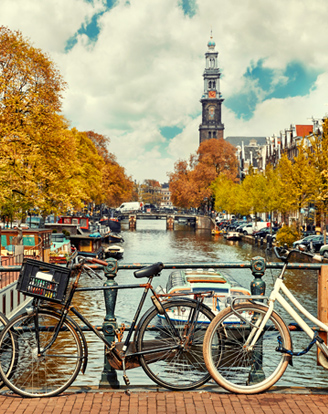





Cambridge is compact and beautiful, best explored on foot, by bicycle or from a punt on the river.
- Punting on the Cam — Glide past college lawns and bridges along the Backs, either self-hired or with a guide.
- King’s College Chapel — A masterpiece of late Gothic architecture with a spectacular fan-vaulted ceiling.
- Fitzwilliam Museum — The university’s grand museum of art and antiquities, with free entry to its main collections.
- Trinity College and the Wren Library — One of the largest colleges, with a library designed by Christopher Wren.
- Mathematical Bridge — The famous wooden footbridge at Queens’ College, best seen from the river.
- Cambridge University Botanic Garden — Peaceful gardens with glasshouses and plants from around the world.
- Grantchester — Walk or punt through riverside meadows to this village of tea gardens and thatched cottages.
Cambridge lies in one of the driest parts of the United Kingdom. Summers are mild to warm, winters are cool and often grey, and frosts are common on clear winter nights.
Late spring and early summer are lovely, with blossom in the college gardens and long evenings by the river. September is also pleasant and slightly quieter. Some colleges restrict visitor access during exam periods in May and June, so check before you go.
Cambridge City Airport lies east of the city centre and is used mainly for private and business aviation. Most international visitors arrive through London Stansted, the nearest major airport, which has a direct train service to Cambridge station.
From Cambridge railway station, the city centre is a short walk, bus or taxi ride away. Taxis and ride-hailing apps are available, and coaches also link Cambridge with the London airports.
Cambridge is small, so most areas are within walking or cycling distance of the colleges.
- City centre — Close to the colleges, museums and river; ideal for first-time visitors.
- Station area — Modern hotels near the railway station, convenient for arrivals and day trips.
- Mill Road — A diverse, lively street with independent shops and international food.
- Chesterton — A quieter riverside district suited to families and longer stays.
- Money: Contactless payments are accepted almost everywhere, including punt hire kiosks and markets.
- Getting around: Walk or cycle; the centre has many pedestrian streets and plenty of cycle lanes.
- Etiquette: Colleges are working institutions, so respect signs, keep off the grass where asked and stay quiet in chapels.
- Safety: Watch out for bicycles when crossing streets, as cycling is extremely popular.
- Connectivity: Free Wi-Fi is widely available in cafés, and mobile coverage is good.
Frequently asked questions
Which airport serves Cambridge?
Cambridge City Airport (CBG) handles mainly private flights; most travellers use London Stansted (STN), the nearest major airport.
How do I get from the airport to the city centre?
From London Stansted, take a direct train to Cambridge station, then walk, take a bus or a taxi to the centre.
What currency is used in Cambridge?
The United Kingdom uses the pound sterling (GBP). Cards are widely accepted.
Do I need a visa to visit Cambridge?
Entry requirements depend on your nationality and can change. Check RwandAir’s travel requirements tool or the official government website before travelling.
When is the best time to visit Cambridge?
April to June and September offer pleasant weather for walking and punting.
Can visitors go inside the colleges?
Many colleges welcome visitors at set times, sometimes for a fee, but access can be restricted during exams and events.
Updated: