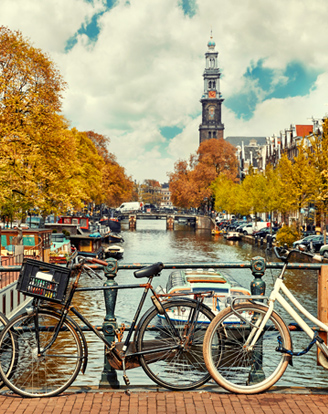





Top things to do in Gothenburg
Gothenburg mixes maritime heritage with a relaxed, outdoorsy lifestyle.
- Liseberg — One of Scandinavia’s best-loved amusement parks, with rides, gardens and seasonal events.
- Haga — A charming old district of wooden houses and cafés, famous for its giant cinnamon buns.
- Southern archipelago — Car-free islands reached by public ferry, with rocky shores, swimming spots and fishing villages.
- Feskekörka — The ‘Fish Church’, a church-shaped indoor fish market by the canal.
- Universeum — A large science centre with a rainforest, aquarium and hands-on exhibits.
- Götaplatsen and the Museum of Art — The city’s cultural square, with the Poseidon statue and a strong Nordic art collection.
- Slottsskogen — A large park with walking trails, a free animal enclosure and picnic lawns.
Best time to visit Gothenburg
Gothenburg has a mild maritime climate, milder than inland Sweden but often breezy and wet. May to September is the best time to visit, with long, light evenings, outdoor dining and ferries busy with swimmers and walkers heading to the archipelago. Midsummer in late June is a much-loved Swedish celebration.
Autumn brings crisp days and fewer crowds, while winter is dark and damp. From mid-November, Liseberg’s Christmas market and lights make December a popular time for a festive city break.
Getting from the airport
Göteborg Landvetter Airport lies about 20 to 25 km east of the city centre, surrounded by forest. The drive into town usually takes around 20 to 30 minutes.
Airport coaches run frequently between the terminal and the city centre, including the central station, and are the most popular option. Taxis wait outside arrivals and ride-hailing apps also operate. Car hire is available for exploring the west coast.
Where to stay
Gothenburg is compact, and trams make most areas easy to reach.
- Inom Vallgraven — The historic centre within the old moat; ideal for shopping and sightseeing.
- Avenyn and Lorensberg — Around the main boulevard, close to Liseberg, museums and nightlife.
- Haga and Linnéstaden — Characterful areas with cafés, independent shops and restaurants.
- Lindholmen — A modern waterfront district across the river, reached by ferry.
Travel tips
- Money: Sweden is largely cashless; cards and mobile payments are accepted almost everywhere, and some places refuse cash.
- Getting around: Trams, buses and ferries share one ticket system; buy tickets by app or card before boarding.
- Fika: Take time for fika, the Swedish coffee-and-pastry break, a cherished local ritual.
- Weather: Pack a waterproof jacket, as rain and wind can arrive quickly.
- Language: Swedish is the main language, but most people speak excellent English.
Frequently asked questions
Which airport serves Gothenburg?
Göteborg Landvetter Airport (GOT), about 20 to 25 km east of the city centre.
How do I get from the airport to the city centre?
Frequent airport coaches reach the city centre in around 20 to 30 minutes; taxis and ride-hailing are also available.
What currency is used in Gothenburg?
The Swedish krona (SEK). Card and mobile payments are the norm.
Do I need a visa to visit Sweden?
Entry requirements depend on your nationality and change from time to time. Check RwandAir’s travel requirements tool or the official government website before you travel.
When is the best time to visit Gothenburg?
May to September for long days and archipelago trips; December for Christmas markets.
How do I visit the Gothenburg archipelago?
Take a tram to Saltholmen, then a public ferry to the car-free southern islands such as Styrsö, Vrångö and Brännö.
Updated: