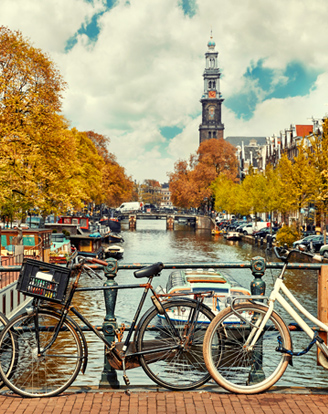





Top things to do in Hamburg
Hamburg’s highlights are spread along the waterfront and around the Alster lakes, linked by U-Bahn, S-Bahn, buses and even harbour ferries.
- Speicherstadt — The world’s largest historic warehouse district, built on timber piles along canals and listed by UNESCO together with the neighbouring Kontorhaus district.
- Elbphilharmonie — A landmark concert hall rising above a former warehouse in HafenCity, with a public viewing plaza offering sweeping harbour views.
- Harbour and Landungsbrücken — The historic piers are the starting point for boat tours through one of Europe’s largest ports, past container terminals and shipyards.
- Miniatur Wunderland — A vast model railway and miniature world in the Speicherstadt, popular with all ages.
- Alster lakes — Two city-centre lakes ringed by elegant villas and paths, ideal for walks, cycling, sailing or a lake cruise.
- Town Hall and St. Michael’s Church — The ornate neo-Renaissance Rathaus and the baroque church known locally as the Michel, whose tower offers panoramic views.
- Fish Market and St. Pauli — The early-morning Sunday fish market on the riverbank, and the famous entertainment district around the Reeperbahn.
Best time to visit Hamburg
Late spring and summer, from May to September, are the most pleasant months, with long daylight hours ideal for harbour cruises, beach bars along the Elbe and outdoor cafés by the Alster. Hamburg has a mild maritime climate, so rain is possible in any season; pack a light waterproof layer whatever the month.
Major events include the Hafengeburtstag, the harbour’s anniversary festival in May, with parades of ships and fireworks, and the Hamburger DOM, a large funfair held several times a year. Summer also brings open-air concerts and festivals across the city, and the parks and lakeside lawns fill with locals on warm evenings.
Autumn is cooler and often grey, but quieter and good for museums and concerts. Winter is cold, damp and windy rather than snowy, and the Christmas markets that appear in the city centre during Advent bring a festive atmosphere. January to March is the quietest period for visitors.
Getting from the airport
Hamburg Airport lies in the district of Fuhlsbüttel, around 9 kilometres north of the city centre, making it one of the most conveniently located major airports in Germany.
- S-Bahn — The S1 suburban train runs frequently from the station directly beneath the terminals to the central station (Hauptbahnhof), Jungfernstieg and other central stops. The journey takes around 25 minutes.
- Bus — Local buses connect the airport with nearby U-Bahn stations and surrounding districts, a useful option for some neighbourhoods.
- Taxi — Taxi ranks are located outside the terminals. The drive to the centre usually takes 20 to 30 minutes, depending on traffic, and is the most expensive option.
S-Bahn tickets can be bought from machines at the airport station or through the local transport network’s app; the same tickets are valid on buses, U-Bahn trains and harbour ferries within the relevant zones.
Where to stay
Hamburg’s districts each have a distinct character, and fast public transport makes it easy to stay a little outside the very centre.
- Altstadt and Neustadt — The city centre around the Town Hall, Jungfernstieg and the Inner Alster, ideal for first-time visitors, shopping and sightseeing on foot.
- St. Georg — Next to the central station and the Outer Alster, with a lively, diverse atmosphere, restaurants and convenient airport trains.
- HafenCity — A modern waterfront district beside the Speicherstadt and the Elbphilharmonie, suited to architecture lovers and those who want harbour views.
- Sternschanze and St. Pauli — Creative, alternative neighbourhoods full of bars, cafés and nightlife, popular with younger travellers.
- Ottensen and Altona — A relaxed, residential feel close to the Elbe riverbank, with independent shops and a village atmosphere.
Travel tips
- Getting around — The U-Bahn, S-Bahn, buses and harbour ferries share one ticketing system. Ferry line 62 from Landungsbrücken is a scenic and inexpensive way to see the port.
- Cycle lanes — Hamburg has many cycle paths, often on the pavement and marked in red. Avoid walking on them, as cyclists travel fast.
- Weather — Conditions change quickly, so dress in layers and carry a waterproof jacket or umbrella.
- Payment and tipping — Cards are widely accepted, but some small cafés and kiosks prefer cash. Rounding up or adding around 5 to 10 percent in restaurants is customary.
- Sundays — Most shops close on Sundays and public holidays, though restaurants, museums and station shops stay open.
- Entry requirements — Visa and entry rules depend on your nationality. Check the latest requirements with official sources before you travel.
Frequently asked questions
What is the best time to visit Hamburg?
May to September offers the warmest weather and longest days for harbour trips and outdoor cafés. The harbour festival takes place in May, and Advent is lovely for Christmas markets. Rain is possible all year.
Which airport serves Hamburg?
Hamburg is served by Hamburg Airport (HAM), located in Fuhlsbüttel around 9 kilometres north of the city centre. It is well connected to the city by S-Bahn suburban trains, buses and taxis.
How do I get from the airport to the city centre?
The S1 suburban train runs frequently from beneath the terminals to the central station in around 25 minutes. Taxis take 20 to 30 minutes depending on traffic, and local buses link to nearby U-Bahn stations.
What currency is used in Hamburg?
Hamburg uses the euro (EUR), like the rest of Germany. Cards are widely accepted, but it is useful to carry some cash for small cafés, kiosks, markets and the Sunday fish market.
Do I need a visa to visit Germany?
Visa requirements depend on your nationality and the purpose of your trip. Please check official government sources or the IATA Travel Centre for the latest entry requirements before travelling.
Can I see Hamburg’s harbour by public ferry?
Yes. Harbour ferries are part of the public transport network, so standard tickets are valid. Ferry line 62 from Landungsbrücken passes the riverside and port, a budget-friendly alternative to a guided harbour tour.
Updated: