




Kabul’s long history is reflected in its gardens, monuments and markets, set against a backdrop of mountains.
- Babur’s Garden (Bagh-e Babur) — Terraced gardens laid out for the first Mughal emperor, Babur, who is buried here; a peaceful green space with city views.
- National Museum of Afghanistan — Collections reflecting the country’s rich archaeological heritage, from Buddhist to Islamic periods.
- Murad Khani — A historic quarter in the old city where traditional houses have been restored and crafts such as woodwork and calligraphy are taught.
- Darul Aman Palace — A grand early-20th-century palace in the south-west of the city, a striking landmark.
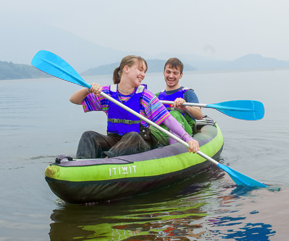
- Qargha Reservoir — A lake on the western edge of Kabul, popular with local families for weekend outings.
- Bazaars — Browse carpets, lapis lazuli, dried fruit and handicrafts in the city’s traditional markets.
At around 1,800 metres, Kabul has a continental climate with cold, snowy winters and warm, dry summers. Spring, from about March to May, brings blossom and mild temperatures, while autumn, from about September to October, is dry and clear.
Winters, from about December to February, are cold, and snow can affect travel through the mountains. Summers are warm by day but generally dry. Nowruz, the Persian New Year around 21 March, marks the start of spring.
Kabul International Airport is located a few kilometres from the city centre and handles domestic and international flights.
There is no rail or metro system. Visitors almost always travel by a car arranged in advance by their hotel, employer, host or organisation, as security checks around the airport can be extensive. Allow plenty of time for checks on departure as well.
Accommodation in Kabul is mostly used by business, official and aid visitors, and security arrangements are an important consideration when choosing where to stay.
- Central districts — Close to government offices, businesses and some hotels; practical for short official visits.
- Wazir Akbar Khan and Shahr-e Naw — Well-known districts with offices, guesthouses and restaurants, popular with business visitors.
- Organisation guesthouses — Many international staff stay in secure accommodation arranged by their organisation.
- Travel advice: Afghanistan is subject to official travel warnings, and many governments advise against all travel, so check your government’s latest travel advice before planning a trip.
- Money: Afghanistan is a cash economy; international cards are very rarely accepted, and US dollars are commonly exchanged.
- Dress and conduct: Dress very conservatively, follow local rules on dress and behaviour, and expect gender-separated spaces.
- Photography: Do not photograph security personnel, checkpoints or official buildings, and always ask before photographing people.
- Language: Dari is widely used in Kabul alongside Pashto; English is limited outside offices and hotels.
Frequently asked questions
Which airport serves Kabul?
Kabul is served by Kabul International Airport (KBL), a few kilometres from the city centre.
How do I get from the airport to the city centre?
Use a car arranged in advance by your hotel, employer or host; there is no public rail link.
What currency is used in Kabul?
Afghanistan uses the Afghan afghani (AFN). Cash is essential.
Do I need a visa to visit Kabul?
Entry requirements depend on your nationality and can change. Check RwandAir’s travel requirements tool or the official government website before travelling.
When is the best time to visit Kabul?
Spring (March to May) and autumn (September to October) have the mildest weather.
Who is buried in Babur’s Garden?
Babur, the founder of the Mughal dynasty, chose Kabul as his resting place, and his tomb lies in the garden.
Updated: