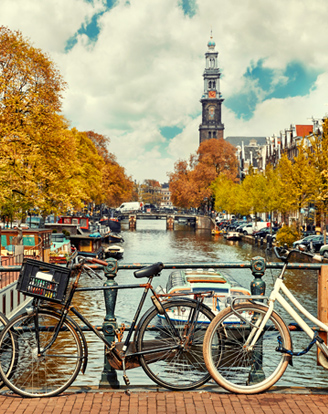





Lille rewards visitors with beautiful architecture, outstanding museums and a convivial atmosphere.
- Vieux-Lille — The old town’s cobbled streets are lined with ornate Flemish facades, boutiques and cosy restaurants.
- Grand Place and Vieille Bourse — The main square and the richly decorated 17th-century former stock exchange, whose courtyard hosts book stalls and chess players.
- Palais des Beaux-Arts — One of France’s largest fine art museums, with European masterpieces and relief maps of fortified towns.
- La Piscine, Roubaix — An art and industry museum set in a stunning former Art Deco swimming pool, a short metro ride away.
- Citadel of Lille — A star-shaped fortress designed by Vauban, surrounded by parkland ideal for walks.
- Wazemmes market — A lively market with food, flowers and bric-a-brac, busiest on Sunday mornings.
- Braderie de Lille — A huge flea market held on the first weekend of September, one of the largest in Europe.
Lille has a temperate oceanic climate with mild summers, cool winters and rain spread throughout the year. Late spring and summer, from about May to September, are the most pleasant for strolling, terraces and day trips.
The first weekend of September brings the Braderie de Lille, when the city fills with stalls and visitors. In December, the Christmas market and festive lights create a cosy atmosphere. Winters are cool and grey, perfect for museums and hearty Flemish dishes.
Lille Airport is located at Lesquin, south-east of the city, a drive of around 20 minutes or more from the centre depending on traffic.
A shuttle bus links the airport with central Lille near the main railway stations, and taxis and ride-hailing services are available. There is no rail or metro connection to the terminal. Lille’s two main stations offer fast trains to Paris, Brussels and London.
Lille is compact, and most areas are well connected by metro and tram.
- Vieux-Lille — Charming old town with boutique hotels, shops and restaurants; ideal for couples and first-time visitors.
- Grand Place and centre — Central and lively, close to museums and shopping.
- Euralille — Modern district by the railway stations, practical for business travellers and train connections.
- Wazemmes — A multicultural, more local neighbourhood with markets and good-value options.
- Money: Cards and contactless payments are accepted almost everywhere; markets may prefer cash.
- Getting around: The automated metro and trams are easy to use; the centre is very walkable.
- Food: Try carbonnade flamande, potjevleesch, welsh and waffles from local pâtisseries.
- Etiquette: Greet shopkeepers with “bonjour” and keep your voice down in restaurants.
- Language: French is spoken everywhere; English is understood in hotels and tourist areas.
Frequently asked questions
Which airport serves Lille?
Lille is served by Lille Airport (LIL) at Lesquin, south-east of the city.
How do I get from the airport to the city centre?
Take the airport shuttle bus to central Lille, or a taxi or ride-hailing car.
What currency is used in Lille?
France uses the euro (EUR).
Do I need a visa to visit Lille?
Entry requirements depend on your nationality and can change. Check RwandAir’s travel requirements tool or the official government website before travelling.
When is the best time to visit Lille?
From about May to September, or in December for the Christmas market.
What is the Braderie de Lille?
A huge street flea market held on the first weekend of September, drawing visitors from across Europe.
Updated: