




Top things to do in Mumbai
Mumbai's historic core lies in the south of the city, while beaches, markets and lively suburbs stretch northwards.
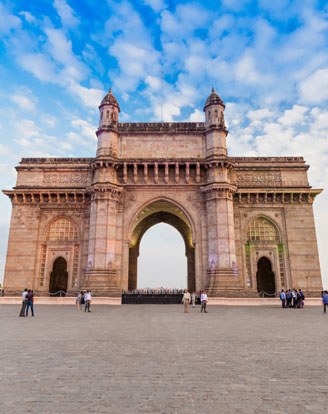
- Gateway of India — The grand waterfront arch in Colaba, and the departure point for ferries across the harbour.
- Elephanta Caves — A UNESCO World Heritage Site on an island in Mumbai Harbour, known for its rock-cut temples and sculptures of Shiva.
- Chhatrapati Shivaji Maharaj Terminus — A spectacular Victorian Gothic railway station, also a UNESCO World Heritage Site and still in daily use.
- Marine Drive — A sweeping seafront promenade, especially popular at sunset when its streetlights form the "Queen's Necklace".
- Chhatrapati Shivaji Maharaj Vastu Sangrahalaya — The city's main museum, with collections of Indian art, sculpture and history.
- Markets and street food — Explore Crawford Market and the bazaars of south Mumbai, and try local favourites such as vada pav and pav bhaji.
- Sanjay Gandhi National Park — A large forested park in the north of the city, home to the ancient Kanheri Caves.
Best time to visit Mumbai
Mumbai has a tropical climate that is warm all year. The dry season from November to February is the most comfortable time to visit, with sunny days and lower humidity.
March to May becomes increasingly hot and humid. The monsoon, from around June to September, brings heavy rain that can disrupt travel, although the city looks lush and green during this season.
Getting from the airport
Chhatrapati Shivaji Maharaj International Airport (BOM) is in Mumbai's northern suburbs, well north of the historic districts of south Mumbai. Prepaid and metered taxis and ride-hailing services are available outside the terminals. Allow plenty of time for the journey, as traffic can be heavy, especially at peak hours.
Where to stay
Mumbai is long and narrow, so staying near the areas you plan to explore saves a lot of travel time.
- Colaba and Fort — South Mumbai's heritage district, close to the Gateway of India, museums and galleries.
- Bandra — A lively suburb known for its cafés, street art, seafront promenades and nightlife.
- Juhu — A seaside neighbourhood with a popular beach, relatively convenient for the airport.
- Andheri — A busy commercial area close to the airport, practical for short stays and business trips.
Travel tips
- Money — Cards are accepted in larger shops, but carry some cash for markets, taxis and street food.
- Getting around — Taxis, ride-hailing services and the metro are the easiest options; suburban trains are fast but extremely crowded at rush hour.
- Etiquette — Dress modestly and remove your shoes when visiting temples and other places of worship.
- Food and water — Drink bottled or filtered water, and choose busy street food stalls where food is freshly cooked.
- What to pack — Light cotton clothing, sunscreen and, during the monsoon, an umbrella and quick-drying shoes.
- Before you go — Check current entry requirements for India before you travel.
Frequently asked questions
What is the best time to visit Mumbai?
November to February is the best time to visit Mumbai, with dry, sunny weather and lower humidity. The monsoon from June to September brings heavy rain.
Which airport serves Mumbai?
Mumbai is served by Chhatrapati Shivaji Maharaj International Airport (BOM), located in the city's northern suburbs.
How do I get from the airport to the city centre?
Prepaid taxis, metered taxis and ride-hailing services run from the airport to south Mumbai and other areas. Journey times vary widely with traffic, so allow extra time.
What currency is used in Mumbai?
Mumbai uses the Indian rupee (INR). Cards are accepted in many places, but cash is useful for markets and small vendors.
Do I need a visa to visit India?
Entry requirements depend on your nationality and change from time to time. Check the latest requirements with RwandAir's travel requirements tool or the official government website before you travel.
How do I visit the Elephanta Caves?
Ferries to Elephanta Island leave from the jetty near the Gateway of India in Colaba. Plan for most of a day, and note that ferries may not operate in rough weather during the monsoon.
Updated: