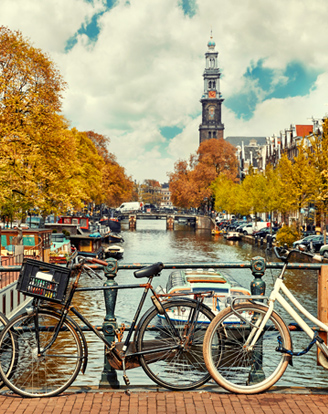





Norwich rewards wanderers with medieval lanes, independent shops and grand historic landmarks.
- Norwich Cathedral — A Norman masterpiece with a soaring spire and the largest monastic cloister in England.
- Norwich Castle — A twelfth-century royal palace, now a museum and art gallery overlooking the city.
- Elm Hill — A cobbled street of Tudor buildings, one of the most picturesque in the city.
- Norwich Market — One of England’s largest open-air markets, with colourful striped stall roofs.
- The Norwich Lanes — A maze of streets packed with independent shops, cafés and galleries.
- Sainsbury Centre — An influential art gallery in a landmark building on the University of East Anglia campus.
- Norfolk Broads — Explore a network of rivers and lakes by boat, a short trip from the city.
Norwich has a relatively dry temperate climate for the United Kingdom. Summers are mild to warm, while winters are cool and can feel raw when winds blow from the North Sea.
May to September is the best time to visit, with long days for boating on the Broads and trips to the Norfolk coast. Spring and autumn are quieter for city sightseeing, and December brings Christmas lights and festive events in the historic centre.
Norwich International Airport lies on the northern edge of the city, a short drive from the centre. It is a compact airport with quick arrival procedures.
Local bus services connect the airport with the city centre, and taxis are available outside the terminal or can be booked in advance. Car hire is useful for exploring the Broads and the Norfolk coast.
Norwich’s historic centre is compact, so most visitors stay within walking distance of the main sights.
- City centre and the Lanes — Close to the market, castle and shops; ideal for first-time visitors.
- Tombland and the Cathedral Quarter — A historic area near the cathedral, suited to couples and culture lovers.
- Golden Triangle — A residential area with independent cafés and pubs, good for longer stays.
- Riverside — Modern hotels near the railway station and river, convenient for arrivals.
- Money: Contactless card payments are accepted almost everywhere, including most market stalls.
- Getting around: Walk the centre, and use buses or trains for the Broads and the coast.
- Etiquette: Queue patiently and tip around 10% in restaurants if service is not included.
- Weather: Pack layers, as North Sea winds can make days feel cooler than expected.
- Connectivity: Free Wi-Fi is common in cafés, and mobile coverage is good across the city.
Frequently asked questions
Which airport serves Norwich?
Norwich is served by Norwich International Airport (NWI), on the northern edge of the city.
How do I get from the airport to the city centre?
Take a local bus or a taxi; car hire is also available.
What currency is used in Norwich?
The United Kingdom uses the pound sterling (GBP). Cards are widely accepted.
Do I need a visa to visit Norwich?
Entry requirements depend on your nationality and can change. Check RwandAir’s travel requirements tool or the official government website before travelling.
When is the best time to visit Norwich?
May to September offers the mildest weather and longest days.
What are the Norfolk Broads?
The Broads are a protected network of rivers and shallow lakes east of Norwich, popular for boating, wildlife watching and walking.
Updated: