




Mountains, orchards and bazaars give Quetta a character quite different from Pakistan’s lowland cities.
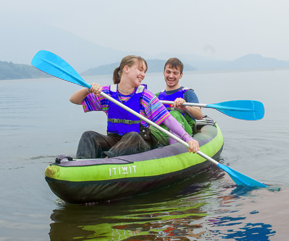
- Hanna Lake — A reservoir set among bare mountains just outside the city, a popular spot for picnics and boating.
- Hazarganji-Chiltan National Park — A protected mountain area south-west of Quetta, known for the rare Chiltan wild goat (markhor).
- Ziarat — A hill station some hours’ drive away, famous for ancient juniper forests and the Quaid-e-Azam Residency, where Muhammad Ali Jinnah spent his final weeks.
- Urak Valley — A green valley of orchards and streams near the city, especially lovely in blossom season and at harvest time.
- Bazaars — Browse dried fruit, nuts, carpets, embroidered textiles and handicrafts in the city’s busy markets.
- Local cuisine — Try sajji (slow-roasted lamb), kaak bread and fresh fruit in season.
At around 1,700 metres, Quetta has a dry climate with hot summers and cold winters, when snow sometimes falls in the city and surrounding mountains. Spring, from about March to May, brings blossom to the orchards and pleasant temperatures.
Autumn, from about September to October, is harvest season for apples, grapes and pomegranates, with clear skies and comfortable days. Winters can be very cold, and summer days are hot, although nights remain cooler than in the plains.
Quetta International Airport is located a short drive from the city centre and handles domestic and some international flights.
Most travellers use a taxi or a car arranged by their hotel or host. Ride-hailing apps may operate in the city, but availability can vary, and there is no rail or metro link from the airport. Arranging a pick-up in advance is the simplest and safest option.
Quetta has a choice of hotels from simple to comfortable, mostly located in and around the central districts.
- City centre — Close to the bazaars and restaurants; practical for short stays.
- Cantonment area — Wider, greener streets and some of the better hotels; suits business travellers.
- Main roads and outskirts — Newer hotels with parking, convenient for trips to Hanna Lake and Ziarat.
- Travel advice: Balochistan is subject to official travel warnings, so check your government’s latest travel advice before planning a trip and follow local security guidance.
- Money: Cash is widely used; cards are accepted in larger hotels and shops, and ATMs are available in the centre.
- Dress and etiquette: Dress conservatively; women may wish to carry a scarf, and always ask before photographing people.
- Weather: Pack warm clothes for winter and for cool nights in spring and autumn.
- Language: Urdu is widely understood alongside regional languages; English is common in hotels and offices.
Frequently asked questions
Which airport serves Quetta?
Quetta is served by Quetta International Airport (UET), a short drive from the city centre.
How do I get from the airport to the city centre?
Take a taxi or a car arranged by your hotel or host; there is no rail link.
What currency is used in Quetta?
Pakistan uses the Pakistani rupee (PKR).
Do I need a visa to visit Quetta?
Entry requirements depend on your nationality and can change. Check RwandAir’s travel requirements tool or the official government website before travelling.
When is the best time to visit Quetta?
Spring (March to May) and autumn (September to October) are most pleasant.
Why is Quetta called the fruit garden of Pakistan?
The surrounding valleys grow apples, grapes, apricots, pomegranates and other fruit, and Quetta is famous for its dried fruit and nuts.
Updated: