




Top things to do in Venice
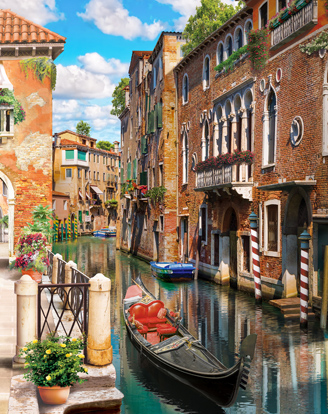
Venice is best explored on foot and by vaporetto, the public water bus, getting pleasantly lost between squares, bridges and canals.
- St Mark’s Square and Basilica — The grand heart of the city, dominated by the golden mosaics of St Mark’s Basilica and its tall bell tower.
- Doge’s Palace — The Gothic seat of the former Venetian Republic, with lavish council chambers and the Bridge of Sighs leading to the old prisons.
- Grand Canal — Venice’s main waterway, lined with palaces; a ride on a vaporetto is one of the best ways to see it.
- Rialto Bridge and market — The city’s most famous stone bridge, beside a lively fish and produce market.
- Gallerie dell’Accademia — A major art gallery with masterpieces by Venetian painters such as Titian, Tintoretto and Bellini.
- Murano and Burano — Lagoon islands known for glassmaking and for brightly painted fishermen’s houses and lace.
- Dorsoduro — A quieter district with the Peggy Guggenheim Collection, the Salute church and a sunny waterfront promenade, the Zattere.
Best time to visit Venice
Spring, from April to June, and autumn, from September to October, offer the most pleasant weather for walking, with mild temperatures and long evenings. These are still popular months, so booking ahead is recommended, especially at weekends.
Summer is hot, humid and crowded, with the largest numbers of day visitors in July and August. The Venice Biennale, a major international exhibition that alternates between art and architecture, runs for several months from spring to autumn and draws visitors from around the world.
Winter is cold and often misty, but much quieter. Between autumn and early spring, exceptionally high tides known as acqua alta can occasionally flood low-lying areas such as St Mark’s Square. The famous Venice Carnival, with its masks and costumes, takes place in the weeks before Lent, usually in February.
Getting from the airport
Venice Marco Polo Airport is on the mainland at Tessera, around 12 kilometres north of the historic centre across the lagoon.
- Bus — Express and city buses run to Piazzale Roma, the bus terminal at the edge of the historic centre, in around 20 to 30 minutes. From there, you continue by vaporetto or on foot.
- Water bus — Public boat services link the airport’s water terminal, a short walk from the arrivals hall, with stops such as Fondamente Nove, Rialto and San Marco. The journey takes around an hour or more depending on your stop.
- Water taxi — Private water taxis go directly to many hotels on the canals in around 30 minutes; this is the most expensive option.
- Taxi — Road taxis reach Piazzale Roma in around 20 minutes; cars cannot go further into the historic centre.
Check how close your accommodation is to a vaporetto stop, as you may need to carry luggage over bridges.
Where to stay
Staying in the historic centre is the best way to enjoy Venice in the early morning and evening, when day visitors have left.
- San Marco — Central and grand, within walking distance of the main landmarks; ideal for first-time visitors.
- Dorsoduro — An artistic, relaxed district with galleries, student bars and waterfront walks, suited to culture lovers.
- Cannaregio — A more residential area with local restaurants, the historic Jewish Ghetto and good connections from the railway station.
- Castello — Quieter lanes east of St Mark’s, with a local feel and gardens that host Biennale exhibitions.
- Mestre — On the mainland, a practical option for travellers on a budget, linked to the centre by train and bus in around 10 to 15 minutes.
Travel tips
- Getting around — Venice has no cars in the historic centre. Walk and use the vaporetto network; multi-day passes can make sense if you plan several trips.
- Day-visitor rules — Venice has introduced an access fee for day-trippers on certain dates. Check current rules with the city before your visit.
- Respect the city — Sitting on bridges or monuments to eat, swimming in canals and walking around in swimwear are not allowed and can lead to fines.
- Luggage — Pack light where possible, as many streets involve steps and bridges.
- Dining — Many restaurants add a cover charge, known as coperto, for bread and table service. Tipping is not expected, but rounding up for good service is appreciated.
- Entry requirements — Visa and entry rules depend on your nationality. Check the latest requirements with official sources before you travel.
Frequently asked questions
What is the best time to visit Venice?
April to June and September to October offer mild weather and pleasant walking conditions. Summer is hot and crowded, winter is quieter but misty, and the famous Carnival takes place in February.
Which airport serves Venice?
Venice is served by Venice Marco Polo Airport (VCE), located on the mainland around 12 kilometres north of the historic centre. It is linked to the city by bus, water bus and water taxi.
How do I get from the airport to the city centre?
Buses reach Piazzale Roma in around 20 to 30 minutes, where you continue by vaporetto or on foot. Public water buses take around an hour to central stops, and water taxis around 30 minutes.
What currency is used in Venice?
Venice uses the euro (EUR), like the rest of Italy. Cards are widely accepted, but carrying some cash is useful for small cafés, market stalls and bàcari, the traditional Venetian wine bars.
Do I need a visa to visit Italy?
Visa requirements depend on your nationality and the purpose of your trip. Please check official government sources or the IATA Travel Centre for the latest entry requirements before travelling.
What is acqua alta in Venice?
Acqua alta is an exceptionally high tide that can temporarily flood low-lying parts of Venice, mostly between autumn and early spring. It usually lasts a few hours, and raised walkways may be set up in busy areas.
Updated: