

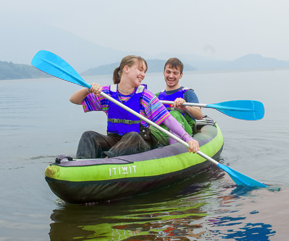



Vizag combines beaches and hills with maritime heritage and some of Andhra Pradesh’s most scenic excursions.
- Ramakrishna (RK) Beach — The city’s main seafront, with a long promenade, popular for evening walks.
- INS Kursura Submarine Museum — A decommissioned submarine on the beach that visitors can explore inside.
- Kailasagiri — A hilltop park with gardens, statues and panoramic views over the coastline.
- Rushikonda Beach — A scenic golden beach north of the city, popular for swimming in calm conditions and water sports.
- Simhachalam Temple — A historic hilltop temple to Lord Narasimha, known for its carved stonework.
- Thotlakonda and Bavikonda — Ancient Buddhist monastery sites on hills overlooking the sea.
- Araku Valley and Borra Caves — Head into the Eastern Ghats for coffee plantations, tribal culture and spectacular limestone caves.
Visakhapatnam has a tropical climate, warm and humid for most of the year. From about April to June it is hot and sticky, and the south-west monsoon brings rain from June to September, with further showers and occasional cyclones from the Bay of Bengal in October and November.
October to March is generally the best time to visit, when humidity eases and sea breezes keep days pleasant. Winter is also ideal for the Araku Valley, where mornings are cool and misty. Keep an eye on weather forecasts in the post-monsoon months, as storms can affect travel along the coast.
Visakhapatnam International Airport lies west of the city centre and shares its site with a naval air station. The drive to the beach road and central areas usually takes around half an hour depending on traffic.
Prepaid taxis and app-based cabs are available outside arrivals, and many hotels offer pick-ups. Auto-rickshaws and city buses are common for shorter journeys. Photography may be restricted around the airport because of the naval presence.
Most visitors stay near the sea, where many hotels enjoy ocean views and easy access to the beaches.
- Beach Road and RK Beach — Seafront hotels close to the promenade, museums and restaurants; ideal for leisure travellers.
- Siripuram and Dwaraka Nagar — Central commercial areas with business hotels, shopping and good transport links.
- MVP Colony — A residential area near the coast with mid-range options and local eateries.
- Rushikonda — Quieter, resort-style stays near the beach north of the city.
- Money: Cards and mobile payments are widely accepted; carry cash for rickshaws, beach snacks and small shops.
- Getting around: Ride-hailing apps work well; for the Araku Valley, consider the scenic train or a car with driver.
- Etiquette: Dress modestly at temples and remove shoes; light, breathable clothing suits the humid climate.
- Safety: Swim only where locals and lifeguards indicate it is safe, as currents can be strong.
- Language: Telugu is the main language; English is understood in hotels, and many people also speak Hindi.
Frequently asked questions
Which airport serves Visakhapatnam?
Visakhapatnam is served by Visakhapatnam International Airport (VTZ), west of the city centre.
How do I get from the airport to the city centre?
Prepaid taxis, ride-hailing apps and hotel pick-ups are the usual options, with the drive taking around half an hour.
What currency is used in Visakhapatnam?
India uses the Indian rupee (INR). Cards are common in hotels and malls, and cash is useful for small purchases.
Do I need a visa to visit Visakhapatnam?
Entry requirements depend on your nationality and can change. Check RwandAir’s travel requirements tool or the official government website before travelling.
When is the best time to visit Visakhapatnam?
October to March offers pleasant, less humid weather that is ideal for beaches and trips to the hills.
Is the Araku Valley worth visiting from Vizag?
Yes. The Araku Valley in the Eastern Ghats is known for its cool climate, coffee plantations and the nearby Borra Caves, and makes a rewarding day or overnight trip.
Updated: