

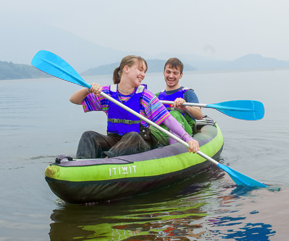



Annaba combines ancient history with Mediterranean beaches and mountain scenery.
- Hippo Regius — The ruins of the ancient Roman city, with forum remains, baths, mosaics and a site museum.
- Basilica of St Augustine — A late-19th-century basilica on a hill above the ruins, dedicated to the city’s famous bishop, with views over the city and sea.
- Cours de la Révolution — The city’s main tree-lined promenade, lined with cafés and colonial-era buildings, lively in the evening.
- Old town — Narrow streets, traditional houses and historic mosques near the port.
- Corniche and beaches — A coastal road west of the centre leads to sandy beaches and coves, busy in summer.
- Seraïdi and the Edough mountains — A hill village in cork-oak forests above the city, with cool air and panoramic views.
- Cap de Garde — A rocky headland with a lighthouse and dramatic sea views north of the city.
Annaba has a Mediterranean climate with hot, humid summers and mild, rainy winters. The most pleasant times to visit are late spring, from about May to June, and early autumn, from about September to October, when it is warm and sunny but not too hot.
July and August are ideal for beaches, although the city is at its busiest and humidity can be high. Winters, from about December to February, are mild but wet, while the Edough mountains can be cool and occasionally see snow.
Annaba Rabah Bitat Airport is located south of the city, a drive of around 20 minutes or more from the centre depending on traffic.
Taxis are the usual way into town, and some hotels can arrange pick-ups. Ride-hailing apps operate in some Algerian cities but availability can vary. There is no rail or metro link to the terminal, so agree on the taxi fare before setting off.
Annaba offers city hotels and seaside options along the coast.
- City centre (Cours de la Révolution) — Close to cafés, shops and the port; convenient for first-time visitors.
- Corniche — Hotels near the beaches west of the centre, ideal for summer stays and sea views.
- Seraïdi — Quieter mountain accommodation above the city, cooler in summer and great for nature lovers.
- Money: Algeria is largely a cash economy; international cards are accepted only in some larger hotels, so carry enough dinars.
- Getting around: Taxis are plentiful; for the Edough mountains and Cap de Garde, a taxi or hire car is easiest.
- Dress and etiquette: Dress modestly in the city and at religious sites; swimwear is for the beach only.
- Safety: Annaba is generally welcoming; take usual precautions with valuables and check your government’s latest travel advice for Algeria.
- Language: Arabic is spoken everywhere and French is very widely understood; English is less common.
Frequently asked questions
Which airport serves Annaba?
Annaba is served by Annaba Rabah Bitat Airport (AAE), south of the city.
How do I get from the airport to the city centre?
Take a taxi or arrange a hotel pick-up; there is no rail link.
What currency is used in Annaba?
Algeria uses the Algerian dinar (DZD). Bring cash, as cards are not widely accepted.
Do I need a visa to visit Annaba?
Entry requirements depend on your nationality and can change. Check RwandAir’s travel requirements tool or the official government website before travelling.
When is the best time to visit Annaba?
Late spring (May to June) and early autumn (September to October).
What is the connection between Annaba and St Augustine?
Augustine was bishop of Hippo Regius, the ancient city whose ruins lie in Annaba, and a basilica in his honour stands above the site.
Updated: