


Lakes, forest and highland villages make Arba Minch one of southern Ethiopia’s most rewarding stops.
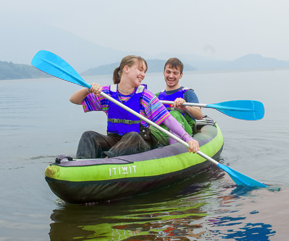
- Lake Chamo boat trip — Head out to the so-called Crocodile Market, where large Nile crocodiles bask on the shore, and look for hippos and birdlife.
- Nechisar National Park — Savannah plains and groundwater forest between the two lakes, home to zebras, gazelles and many birds.
- Bridge of God viewpoints — The land bridge separating Lakes Abaya and Chamo gives sweeping views from the town’s escarpment.
- Dorze villages — In the Guge highlands above town, see tall woven bamboo houses and traditional cotton weaving.
- The forty springs — Explore the forested area below town where springs feed the groundwater forest.
- Gateway to the Omo Valley — Arba Minch is a common starting point for guided trips further south.
Arba Minch is warm year-round and hotter than the highlands. Like much of southern Ethiopia, it has a main rainy season around March to May and shorter rains around October to November, when some park tracks may be difficult.
The drier months from about December to February are generally the best for wildlife viewing, boat trips and highland excursions, with clear views across the lakes. Mornings and late afternoons are the most pleasant times to be out.
Arba Minch Airport lies a short drive outside the town and handles domestic flights, mainly from Addis Ababa.
Taxis and bajajs (three-wheeled auto-rickshaws) are available on arrival, and many hotels and lodges offer pick-ups if booked ahead. There is no public transport link from the terminal, so a taxi or pre-arranged transfer is the easiest way into town.
The town is split into an upper area, Shecha, and a lower area, Sikela, with lodges along the escarpment.
- Shecha — The upper town, with hotels, offices and some of the best lake views.
- Sikela — The busier lower town with markets and transport links; practical for budget travellers.
- Escarpment lodges — Lodges on the ridge offer outstanding views over both lakes, ideal for a relaxed stay.
- Money: Carry birr in cash; card payments are limited to a few larger hotels.
- Getting around: Bajajs connect the upper and lower towns; hire a guide and vehicle for Nechisar.
- Wildlife safety: Keep a safe distance from crocodiles and hippos and follow your boat guide’s instructions.
- Health: Seek medical advice on malaria prevention before travelling and use insect repellent near the lakes.
- Etiquette: Ask before photographing people in Dorze and other villages.
Frequently asked questions
Which airport serves Arba Minch?
Arba Minch is served by Arba Minch Airport (AMH), a domestic airport a short drive from town.
How do I get from the airport to the town centre?
Take a taxi or bajaj, or book a transfer with your hotel or lodge.
What currency is used in Arba Minch?
Ethiopia uses the Ethiopian birr (ETB). Bring cash, as cards are rarely accepted.
Do I need a visa to visit Arba Minch?
Entry requirements depend on your nationality and can change. Check RwandAir’s travel requirements tool or the official government website before travelling.
When is the best time to visit Arba Minch?
The drier months from about December to February are best. The main rains usually fall from March to May.
What does Arba Minch mean?
Arba Minch means “forty springs” in Amharic, after the many springs that rise in the forest below the town.
Updated: