

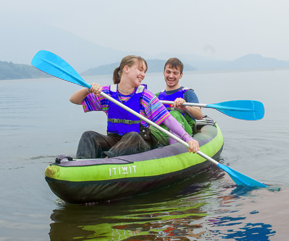



Auckland mixes urban life with easy access to beaches, islands and volcanic landscapes.
- Sky Tower — The tallest freestanding structure in the Southern Hemisphere, with sweeping views over the harbours.
- Waiheke Island — A short ferry ride to vineyards, olive groves and beautiful beaches.
- Auckland War Memorial Museum — Outstanding Māori and Pacific collections in the Auckland Domain.
- Maungawhau / Mount Eden — A dormant volcanic cone with a deep crater and panoramic city views.
- Viaduct Harbour and Wynyard Quarter — Waterfront dining, marinas and walkways.
- Rangitoto Island — Hike to the summit of Auckland’s youngest volcano, reached by ferry.
- West coast beaches — Dramatic black-sand beaches such as Piha, beyond the Waitākere Ranges.
Auckland has a mild, maritime climate, with seasons opposite to the Northern Hemisphere. Summer, from December to February, brings warm, often humid days that are perfect for beaches, sailing and island trips, while March and April offer settled weather and fewer crowds.
Winter, from June to August, is cool and wetter, but rarely cold, and a good time for museums, food and wine. Weather can change quickly on any day, so bring a light rain jacket. The sun is strong in New Zealand, so protection is important year-round.
Auckland Airport lies about 20 km south of the city centre, in Māngere. An express airport bus runs directly to the city centre, and a local bus connects the airport with Puhinui station for suburban trains into Britomart in the CBD.
Taxis, ride-hailing and shuttle services are available outside the terminals, and car hire is popular for exploring beyond the city. Allow extra time during weekday rush hours, when motorway traffic can be heavy.
Many visitors base themselves in or near the CBD, close to ferries and transport links.
- CBD and Viaduct Harbour — Central, with waterfront restaurants and ferry access; ideal for first-timers.
- Ponsonby — Trendy cafés, bars and boutiques; suits food lovers and couples.
- Parnell — One of Auckland’s oldest suburbs, near the museum and Domain.
- Devonport — A seaside village across the harbour, relaxed and good for families.
- Money: Cards and contactless payments are accepted almost everywhere; tipping is not expected, though appreciated for great service.
- Getting around: Buses, trains and ferries share a single transport card; a car is useful for day trips further afield.
- Driving: New Zealanders drive on the left.
- Culture: Respect Māori customs and sacred sites; you may hear the greeting “Kia ora”.
- Biosecurity: New Zealand has strict rules on bringing food, plants and outdoor gear into the country; declare items on arrival.
Frequently asked questions
Which airport serves Auckland?
Auckland is served by Auckland Airport (AKL), about 20 km south of the city centre.
How do I get from the airport to the city centre?
Take the express airport bus, a bus and train via Puhinui station, a taxi, a ride-hailing car or a shuttle.
What currency is used in Auckland?
New Zealand uses the New Zealand dollar (NZD). Cards are accepted almost everywhere.
Do I need a visa to visit Auckland?
Entry requirements depend on your nationality and can change. Check RwandAir’s travel requirements tool or the official government website before travelling.
When is the best time to visit Auckland?
December to April offers warm, settled weather for beaches and islands. Winter is mild but wetter.
Why is Auckland called the City of Sails?
Auckland has a strong sailing culture and a very high number of boats for its size, with yachts filling its harbours, particularly the Waitematā Harbour.
Updated: