

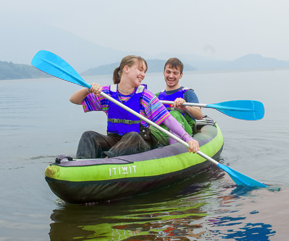



Brisbane’s life revolves around its river, parks and warm weather.
- South Bank Parklands — Riverside gardens, restaurants and Streets Beach, a free man-made lagoon in the heart of the city.
- Queensland Cultural Centre — Home to the Queensland Art Gallery and Gallery of Modern Art (QAGOMA) and the Queensland Museum.
- Lone Pine Koala Sanctuary — One of the world’s oldest koala sanctuaries, with kangaroos and other native wildlife.
- CityCat ferries — Glide along the Brisbane River for an easy, scenic tour of the city.
- Story Bridge — An iconic steel bridge with guided climbs and great night views.
- Mount Coot-tha — A lookout with panoramic views, plus botanic gardens and walking trails.
- Moreton Bay islands — Head to North Stradbroke or Moreton Island for beaches and wildlife.
Brisbane has a subtropical climate with sunshine for much of the year. The drier months from April to October bring warm days, cool evenings and low humidity, ideal for sightseeing, river cruises and trips to nearby islands and coastlines.
Summer, from December to February, is hot and humid, with frequent afternoon thunderstorms, though it is also the peak beach season. Winter days, from June to August, are mild and sunny, making Brisbane a popular escape from cooler parts of Australia.
Brisbane Airport is about 13 km north-east of the city centre and has separate international and domestic terminals. The Airtrain rail link connects both terminals with central Brisbane stations and continues towards the Gold Coast.
Taxis, ride-hailing and shuttle buses are also available, and car hire is popular for exploring the region. A shuttle bus and the Airtrain link the two terminals.
Brisbane’s central districts are compact and well linked by ferry, bus and train.
- CBD — Close to shopping, the river and transport; ideal for first-timers and business travellers.
- South Bank — Across the river, near parklands, museums and Streets Beach; great for families.
- Fortitude Valley — Lively nightlife, live music and dining; suits younger travellers.
- New Farm and West End — Leafy, relaxed neighbourhoods with cafés, markets and riverside parks.
- Money: Cards and contactless payments are accepted almost everywhere; tipping is optional.
- Getting around: A single transport system covers buses, trains and ferries, and the free CityHopper ferry serves inner-city stops.
- Sun: The Queensland sun is intense, so wear sunscreen, a hat and sunglasses and stay hydrated.
- Beaches: Swim between the red and yellow flags on patrolled beaches.
- Driving: Australians drive on the left, and distances to the coasts can be longer than they look on a map.
Frequently asked questions
Which airport serves Brisbane?
Brisbane is served by Brisbane Airport (BNE), about 13 km north-east of the city centre.
How do I get from the airport to the city centre?
Take the Airtrain to central stations, or use a taxi, ride-hailing car or shuttle bus.
What currency is used in Brisbane?
Australia uses the Australian dollar (AUD). Cards are accepted almost everywhere.
Do I need a visa to visit Brisbane?
Entry requirements depend on your nationality and can change. Check RwandAir’s travel requirements tool or the official government website before travelling.
When is the best time to visit Brisbane?
April to October offers warm, dry and comfortable weather. Summer is hot and humid with storms.
Can I visit the Gold Coast from Brisbane?
Yes. The Gold Coast lies about an hour’s drive south of Brisbane and is also reachable by train, making it an easy day trip for beaches and theme parks.
Updated:
