




Top things to do in Hangzhou
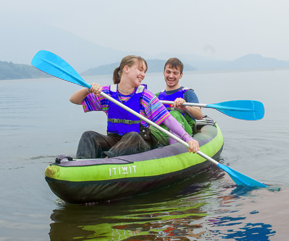
Hangzhou's greatest treasures cluster around West Lake, with hills, tea fields and canals close by.
- West Lake — A UNESCO World Heritage landscape of causeways, islands, gardens and pagodas, best explored on foot, by bike or by boat.
- Lingyin Temple — One of China's best-known Buddhist temples, beside the Feilai Feng grottoes with ancient rock carvings.
- Leifeng Pagoda — A rebuilt pagoda on the lake's southern shore, linked to a famous Chinese legend.
- Longjing tea villages — Terraced plantations in the hills where the renowned Longjing (Dragon Well) green tea is grown.
- Grand Canal — The southern end of the historic waterway, a UNESCO site, with old bridges and canal-side streets.
- Hefang Street — A restored historic street of traditional shops, snacks and teahouses.
- Xixi National Wetland Park — Waterways and marshes on the city's western edge, peaceful for boat rides.
Best time to visit Hangzhou
Hangzhou has a humid subtropical climate with four distinct seasons. Spring (March to May) brings blossoms around West Lake and the fresh tea harvest, while autumn (September to November) offers clear skies, comfortable temperatures and the scent of osmanthus flowers.
Summer is hot and humid, with a rainy season in early summer, and winter is cool and damp, though snow on the lake is a much-loved sight. Avoid major national holidays, such as the October Golden Week, if possible, as West Lake becomes very crowded.
Getting from the airport
Hangzhou Xiaoshan International Airport is about 27 kilometres east of the city centre, across the Qiantang River. By road the journey usually takes around 40 minutes to an hour, depending on traffic and your destination.
Metro lines connect the airport with the city's rail network, including routes towards the centre and Hangzhou East railway station. Airport shuttle buses serve key points in the city, and taxis and ride-hailing apps are widely available outside the terminals. Having your hotel address written in Chinese is helpful for taxi drivers.
Where to stay
Staying near West Lake puts you close to the main sights, while other districts offer business convenience.
- West Lake area (Hubin) — Scenic and central, near shopping streets and the lakeshore, ideal for first-time visitors.
- Wulin — A busy downtown district with shopping malls and good metro links.
- Qianjiang New Town — A modern business district of towers along the river, suited to business travellers.
- Xixi and the western hills — Quieter resort-style hotels near wetlands and tea villages.
Travel tips
- Money: Mobile payment apps dominate everyday transactions; set one up before arrival if possible and carry some cash as a back-up.
- Documents: Keep your passport with you, as it is needed for hotels, trains and some attractions.
- Getting around: The metro is clean and efficient, and public bicycles are a pleasant way to circle West Lake.
- Connectivity: Some international apps and websites may not work in mainland China, so plan your connectivity in advance.
- Language: English is limited outside hotels, so a translation app and addresses in Chinese are very useful.
Frequently asked questions
Which airport serves Hangzhou?
Hangzhou is served by Hangzhou Xiaoshan International Airport (HGH), east of the city centre.
How do I get from the airport to central Hangzhou?
Take the metro, an airport shuttle bus, a taxi or a ride-hailing car; by road the journey usually takes 40 minutes to an hour.
What currency is used in Hangzhou?
The Chinese yuan renminbi (CNY). Mobile payments are used almost everywhere.
Do I need a visa to visit China?
Entry requirements depend on your nationality and change from time to time. Check the latest requirements with RwandAir's travel requirements tool or the official government website before you travel.
When is the best time to visit Hangzhou?
Spring and autumn, when the weather is mild and West Lake is at its most beautiful.
What is Longjing tea?
Longjing, or Dragon Well, is one of China's most famous green teas, grown in the hills around West Lake. Visitors can walk through the plantations and taste tea in the nearby villages.
Updated: