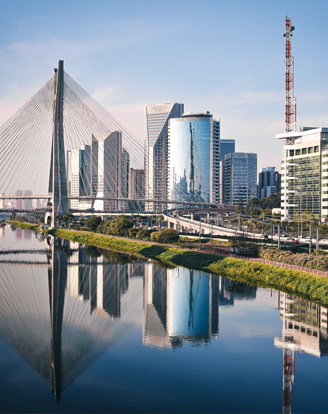





Bogotá combines colonial heritage, a lively cultural scene and easy access to the Andes.
- La Candelaria — Wander the historic centre’s colourful colonial streets, full of churches, cafés and street art.
- Gold Museum (Museo del Oro) — See one of the world’s largest collections of pre-Hispanic gold work.
- Monserrate — Take the cable car or funicular up to the hilltop sanctuary for panoramic views of the city.
- Botero Museum — Admire works by Fernando Botero, alongside pieces from his personal art collection.
- Plaza de Bolívar — Stand in the city’s main square, surrounded by the cathedral, Congress and the Palace of Justice.
- Usaquén Sunday market — Browse crafts and food stalls in a charming former colonial village now part of the city.
- Zipaquirá Salt Cathedral — Take a day trip to the remarkable church carved inside a salt mine north of the city.
Thanks to its altitude, Bogotá enjoys cool, spring-like weather all year, with mild days and chilly evenings. Temperatures vary little, so the main difference between seasons is rainfall. The drier periods, roughly December to March and July to August, are the most pleasant for sightseeing and hiking.
April to May and October to November are usually the wettest months, with frequent showers, though rain often falls in short bursts. Sunday is a great day to visit at any time of year, when the Ciclovía closes major roads to cars so residents can cycle, run and walk.
El Dorado International Airport is about 15 kilometres west of central Bogotá and is one of the busiest airports in Latin America. The journey to La Candelaria or the northern districts usually takes 30 to 60 minutes, depending heavily on traffic.
Authorised yellow taxis leave from organised ranks outside arrivals, and ride-hailing apps are widely used. The TransMilenio bus rapid transit system also connects the airport with the city through feeder and trunk routes, which suits travellers with light luggage.
Bogotá is large, so choosing the right area makes getting around much easier.
- La Candelaria — Best for culture lovers and budget travellers who want museums and historic sights on foot.
- Chapinero and Zona G — Suits food lovers, with a strong restaurant scene and a creative, lively feel.
- Zona Rosa and Zona T — Ideal for nightlife, shopping and modern hotels in the north of the city.
- Usaquén — A calmer choice with village charm, good restaurants and a popular Sunday market.
- Altitude: At around 2,600 metres, take it easy on your first day, drink plenty of water and limit alcohol.
- Money: Cards are widely accepted in hotels and restaurants, but carry some pesos for markets and small purchases.
- Getting around: Use ride-hailing apps or official taxis rather than hailing cars on the street, especially at night.
- Clothing: Pack layers and a rain jacket, as days can be sunny and evenings cold.
- Safety: Keep valuables out of sight in crowded places and on public transport, as you would in any large city.
Frequently asked questions
Which airport serves Bogotá?
Bogotá is served by El Dorado International Airport (BOG), about 15 km west of the city centre.
How do I get from the airport to the city centre?
Authorised taxis, ride-hailing apps and the TransMilenio bus system connect the airport with central Bogotá; travel time depends on traffic.
What currency is used in Bogotá?
Colombia’s currency is the Colombian peso (COP).
Do I need a visa to visit Colombia?
Entry requirements depend on your nationality and can change. Check RwandAir’s travel requirements tool or the official government website before travelling.
When is the best time to visit Bogotá?
December to March and July to August are generally the driest and most pleasant months.
Will the altitude affect me in Bogotá?
Some visitors feel mild effects such as breathlessness or headaches at first. Resting, staying hydrated and taking it slowly usually helps.
Updated: