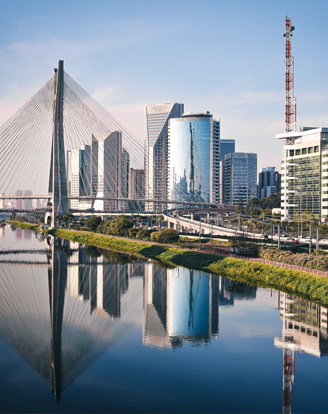




Caracas offers history, modernist architecture and mountain scenery right on the city’s edge.
- El Ávila National Park (Waraira Repano) — Hike forested trails or take the cable car up the mountain for views over the valley and, on clear days, the Caribbean.
- Plaza Bolívar — Visit the historic heart of the city, surrounded by the cathedral and colonial-era buildings.
- Casa Natal del Libertador — See the restored house where Simón Bolívar was born.
- National Pantheon — Pay a visit to the resting place of Bolívar and other national figures.
- Ciudad Universitaria de Caracas — Explore the UNESCO-listed university campus designed by Carlos Raúl Villanueva, famed for its integration of art and architecture.
- Parque del Este — Relax in one of the city’s largest green spaces, a popular spot for walks and picnics.
- El Hatillo — Stroll the colourful colonial-style streets of this hillside town on the city’s south-eastern edge.
Caracas enjoys a mild, spring-like climate for most of the year thanks to its altitude of around 900 metres, with warm days and pleasant evenings. The dry season, roughly from December to April, brings the most sunshine and the best conditions for hiking on El Ávila.
The rainy season runs from about May to November, with regular afternoon showers and occasional heavy storms. Temperatures stay fairly steady throughout the year, so the main consideration is rainfall. Christmas and Easter are important holidays, when many residents travel and some businesses keep reduced hours.
Simón Bolívar International Airport is located at Maiquetía on the Caribbean coast, separated from Caracas by the coastal mountains. The drive to the city takes around 40 minutes to an hour, depending on traffic, via a highway with tunnels and viaducts.
Most visitors use a transfer arranged in advance through their hotel or a trusted provider, or an official airport taxi from the designated ranks. Arranging your transport before arrival is strongly recommended, particularly for evening flights.
Most visitors base themselves in the eastern districts, which offer the widest range of hotels and restaurants.
- Altamira — A central residential and business area, convenient for travellers wanting easy access to the rest of the city.
- Las Mercedes — Suits those looking for restaurants, shopping and nightlife.
- Chacao — A busy commercial district, practical for business trips and shopping.
- El Hatillo — A quieter option with colonial charm, suited to travellers who prefer a relaxed pace.
- Travel advice: Check your government’s latest travel advice for Venezuela before booking and again before you travel.
- Money: The official currency is the bolívar, but US dollars are widely used in everyday transactions; confirm payment options with your hotel in advance.
- Getting around: Use pre-booked transport or trusted taxis recommended by your accommodation rather than hailing cars on the street.
- Safety: Keep valuables out of sight, avoid walking alone at night and follow local advice on which areas to avoid.
- Language: Spanish is essential in most situations; a phrasebook or translation app will be very useful.
Frequently asked questions
Which airport serves Caracas?
Caracas is served by Simón Bolívar International Airport (CCS) at Maiquetía, on the coast north of the city.
How do I get from the airport to Caracas?
Pre-arranged transfers and official airport taxis are the recommended options; the drive over the coastal highway usually takes 40 minutes to an hour.
What currency is used in Caracas?
The official currency is the Venezuelan bolívar (VES), though US dollars are also widely used for everyday payments.
Do I need a visa to visit Venezuela?
Entry requirements depend on your nationality and can change. Check RwandAir’s travel requirements tool or the official government website before travelling.
When is the best time to visit Caracas?
The dry season from December to April offers the sunniest weather and the best conditions for exploring El Ávila.
Why is Caracas called the city of eternal spring?
Its valley location at around 900 metres gives it mild temperatures all year, cooler than Venezuela’s coast and lowlands.
Updated: