



Top things to do in Harare
Harare is relaxed and easy to explore, with good day trips into the surrounding countryside.
- National Gallery of Zimbabwe — A showcase of Zimbabwean and African art, including the stone sculpture for which the country is internationally known.
- Mbare Musika — One of the city's largest and busiest markets, selling fresh produce, crafts, fabrics and second-hand goods. Go with a local guide.
- Mukuvisi Woodlands — A patch of indigenous woodland close to the centre, with walking trails, birdlife and grazing animals such as zebra and antelope.
- Domboshawa — North of the city, this granite hill has ancient San rock paintings in its caves and sweeping views from the top, especially at sunset.
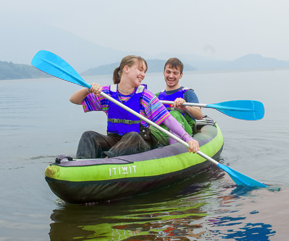
- Lake Chivero — South-west of Harare, the lake and its recreational park offer game drives, birdwatching and rock art.
- Epworth Balancing Rocks — On the south-eastern edge of the city, these gravity-defying granite formations are one of Zimbabwe's best-known natural sights.
Best time to visit Harare
The dry season from April to October is the best time to visit. May to August brings sunny days and cool to cold nights, while September and October are warmer, and the city's jacaranda trees bloom purple in spring.
The rains fall mainly from November to March, usually as afternoon thunderstorms. The countryside turns green, but some rural roads can become muddy.
Getting from the airport
Harare is served by Robert Gabriel Mugabe International Airport (HRE), about 15 km south-east of the city centre. Taxis are available outside the terminal; agree the fare before you set off. Many hotels also offer airport transfers when booked ahead.
Where to stay
Most visitors stay in the leafy northern suburbs, which are home to many restaurants, shopping centres and embassies.
- Avondale — A lively, central suburb with shops, cafés and easy access to the city centre.
- Borrowdale — An upmarket northern suburb with large gardens, shopping centres and a quieter pace.
- Belgravia — Close to the National Gallery and government buildings, convenient for short stays.
- Mount Pleasant — A green residential area near the university, with a calm atmosphere.
Travel tips
- Money — US dollars are widely used alongside the local currency. Carry small notes, as change can be hard to find, and check the latest currency situation before you travel.
- Getting around — Use taxis recommended by your hotel or a trusted driver, and agree fares in advance.
- Etiquette — Greetings are important; a friendly hello before any request is expected. Ask before photographing people.
- Photography — Avoid photographing government buildings, police, military sites and official residences.
- What to pack — Warm layers for dry-season nights, sun protection and a rain jacket from November to March. Seek medical advice on malaria prevention if travelling beyond the city.
- Before you go — Check current entry requirements for Zimbabwe using RwandAir's travel requirements tool.
Frequently asked questions
What is the best time to visit Harare?
The best time to visit Harare is the dry season from April to October, with sunny days and cool nights. The rains fall mainly from November to March.
Which airport serves Harare?
Harare is served by Robert Gabriel Mugabe International Airport (HRE), about 15 km south-east of the city centre.
How do I get from the airport to the city centre?
Taxis wait outside the terminal, and many hotels offer transfers when booked in advance. Agree the taxi fare before departing.
What currency is used in Harare?
US dollars are widely used in Harare alongside Zimbabwe's local currency, the Zimbabwe Gold (ZiG). Carry small dollar notes and check the latest situation before travelling.
Do I need a visa to visit Zimbabwe?
Entry requirements depend on your nationality and change from time to time. Check the latest requirements with RwandAir's travel requirements tool or the official government website before you travel.
Can I visit Great Zimbabwe from Harare?
Yes. The ruins of Great Zimbabwe, a UNESCO World Heritage Site, lie near Masvingo, south of Harare, and can be reached by road. Most visitors stay at least one night to explore the site properly.
Updated: