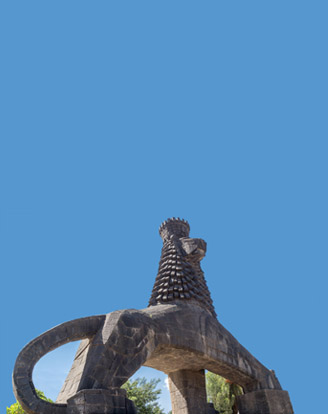

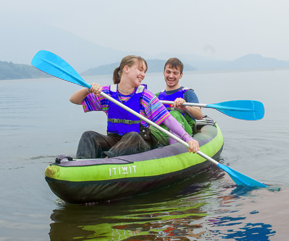



Iringa combines highland scenery and history with easy access to some of southern Tanzania’s finest wildlife areas.
- Ruaha National Park — A vast, remote park to the west, known for large elephant herds, lions and the Great Ruaha River.
- Isimila Stone Age Site — South of town, with ancient stone tools and dramatic eroded sandstone pillars.
- Kalenga — The former stronghold of Chief Mkwawa, with a small museum telling the story of Hehe resistance to colonial rule.
- Gangilonga Rock — A granite outcrop above town with views across Iringa and the surrounding hills.
- Iringa market — A lively central market selling highland produce, baskets and household goods.
- Local crafts — Browse workshops and shops in town selling weaving, pottery and other handmade items.
Thanks to its altitude, Iringa is cooler than much of Tanzania, with pleasant days and chilly nights, especially from June to August. The rainy season usually runs from about December to April, turning the hills green but making some roads muddy.
The dry season from June to October is the best time to visit, particularly for safaris in Ruaha, as animals gather around rivers and waterholes and vegetation thins out. October can be very hot in the lowland park. Bring warm layers for evenings in town and early-morning game drives.
Iringa Airport, also known as Nduli Airport, lies a short drive outside the town centre. It is a small domestic airport with basic facilities, and flights are mostly with domestic and charter operators.
Taxis can usually be found for arriving flights, but it is wise to arrange a hotel pick-up in advance. Safari lodges and tour operators often meet guests at the airport and drive them directly towards Ruaha National Park. The transfer into town is short, while the drive to Ruaha takes several hours on partly unpaved roads.
Iringa offers a mix of simple hotels, guesthouses and farm-style lodges in the surrounding countryside.
- Town centre — Close to the market, cafés and banks; practical for short stays and independent travellers.
- Gangilonga area — Quieter streets near the rock and views over town, good for relaxed stays.
- Countryside lodges — Farms and lodges outside town, ideal as a stop on the way to or from Ruaha.
- Money: Carry Tanzanian shillings; cash machines are available in town, but cards are accepted in few places and mobile money is common.
- Getting around: Taxis, bajaji and bodaboda operate in town; for Ruaha, travel with a lodge or a licensed tour operator.
- Etiquette: Greet people before asking for help, dress modestly and ask before photographing locals.
- Health: Use insect repellent, particularly in the lowlands around Ruaha, and seek medical advice about malaria prevention.
- Packing: Evenings are cool, so bring a fleece or jacket along with sun protection for the day.
Frequently asked questions
Which airport serves Iringa?
Iringa is served by Iringa Airport (IRI), also called Nduli Airport, a short drive from the town centre.
How do I get from the airport to the town centre?
Taxis may be available for flights, but a hotel or lodge pick-up arranged in advance is the most reliable option.
What currency is used in Iringa?
Tanzania uses the Tanzanian shilling (TZS). Carry cash, as card acceptance is limited.
Do I need a visa to visit Iringa?
Entry requirements depend on your nationality and can change. Check RwandAir’s travel requirements tool or the official government website before travelling.
When is the best time to visit Iringa?
The dry season from June to October is best, especially for safaris in Ruaha. Rains usually fall from December to April.
How far is Ruaha National Park from Iringa?
The park is several hours’ drive west of Iringa, partly on unpaved roads, so most visitors travel with a lodge or safari operator.
Updated: