

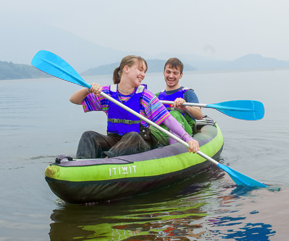



Jijel is all about the coast, with green hills and small beaches stretching west of the city.
- Corniche Jijelienne — A winding coastal road carved into the cliffs, with viewpoints over coves and tunnels through the rock.
- Grottes Merveilleuses — Limestone caves near the coast, filled with stalactites and stalagmites.
- Taza National Park — Protected forests, coastline and rivers, home to Barbary macaques and good for walks.
- El Aouana — A small resort with beaches and rocky islets just offshore, popular in summer.
- Ras el Afia lighthouse — A headland lighthouse with wide views along the coastline.
- Jijel seafront — Stroll the promenade and town beaches, especially lively on summer evenings.
Jijel has a Mediterranean climate with warm, humid summers and mild, wet winters. It is one of the rainier parts of Algeria, which keeps its hills unusually green. Late spring and early autumn are ideal for hiking in Taza National Park and driving the Corniche, with warm days and fewer crowds.
July and August are the peak holiday months, when beaches and hotels are busy with visitors from across the country and the sea is at its warmest. Winter is quiet, with frequent rain, and many seasonal beach facilities close.
Jijel Ferhat Abbas Airport is located east of the city near the town of Taher, a short drive from the centre along the coastal road. There is no rail link to the terminal, so most travellers take a taxi, which is the simplest way to reach hotels in Jijel or along the coast.
Hotels can often arrange a pick-up if you ask in advance, which is especially useful if you are staying at a beach resort west of the city. If your taxi has no meter, agree the fare before you leave, and carry your accommodation’s address in writing. In summer, allow extra time, as coastal roads can be busy.
Accommodation is spread between the city itself and small resorts along the coast. In July and August, book well ahead, as demand from domestic holidaymakers is high.
- City centre — Close to the seafront, shops and cafés; practical for short stays and transport links.
- El Aouana — A beach resort west of the city, ideal for families and summer holidays.
- Corniche coast — Small hotels and holiday rentals near coves and viewpoints, suited to travellers with a car.
- Taher area — Convenient for the airport and quieter than the centre.
- Money: Cash is king in Algeria; carry dinars and exchange through official channels, as card payments are limited.
- Getting around: Taxis cover the city, but a car with a driver makes it easier to explore the Corniche and national park.
- Etiquette: Dress modestly away from the beach, particularly in town and near mosques.
- Safety: Swim only at supervised beaches, as currents can be strong on parts of this coast.
- Language: Arabic is the main language; French is widely understood and English less so.
Frequently asked questions
Which airport serves Jijel?
Jijel is served by Jijel Ferhat Abbas Airport (GJL), east of the city near Taher.
How do I get from the airport to the city centre?
Taxis are the usual option and the drive is short. Many hotels can also arrange transfers.
What currency is used in Jijel?
Algeria uses the Algerian dinar (DZD). Cash is used for most purchases.
Do I need a visa to visit Jijel?
Entry requirements depend on your nationality and can change. Check RwandAir’s travel requirements tool or the official government website before travelling.
When is the best time to visit Jijel?
May–June and September–October are pleasant and quieter. July and August are ideal for beaches but very busy.
What is the Corniche Jijelienne?
It is the scenic coastal road west of Jijel, cut into the cliffs above the sea and known for its viewpoints, rock tunnels and access to small beaches.
Updated: