



Top things to do in Juba
Juba is a working capital rather than a tourist destination, but visitors with some free time can enjoy its riverside setting and local life. It is best to explore with a trusted local contact or driver.
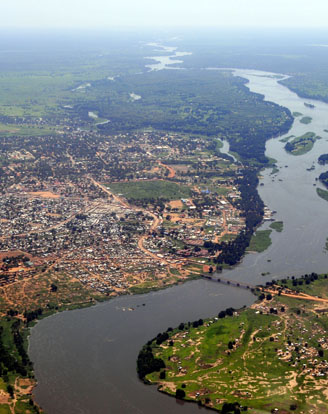
- White Nile riverside — Relax by the river at sunset and watch boats, fishermen and daily life along the banks.
- John Garang Mausoleum — The memorial and resting place of South Sudan's liberation leader, a significant national landmark and the site of independence celebrations in 2011.
- Konyo Konyo Market — One of the city's oldest and busiest markets, full of fresh produce, fish, spices and household goods.
- Jebel Kujur — A rocky hill on the western edge of the city, offering wide views over Juba and the Nile valley.
- Custom Market — A large, lively trading area that shows the city's energy and its links with neighbouring countries.
- Local culture — South Sudan is home to many communities with their own music, dance and crafts; cultural events and national celebrations are a good way to experience them.
Best time to visit Juba
Juba is hot for most of the year. The dry season, from around December to March, is the easiest time to travel, as roads are in better condition, although the days can be very hot.
The rainy season generally runs from about April to October. Heavy rain can make unpaved roads difficult and affect travel outside the city, so allow extra time for journeys.
Getting from the airport
Juba International Airport (JUB) is close to the city centre. Most business and humanitarian travellers are met by their organisation or hotel, and pre-arranging a pick-up is strongly recommended. Taxis are available, but make sure you use a reliable driver and agree the fare before setting off.
Where to stay
Most visitors stay in secure, well-established areas close to offices and the airport.
- Tongping — Close to the airport and home to many international organisations, with a range of accommodation.
- Hai Amarat — A central area with offices, shops and places to eat.
- Nile riverside — Accommodation along the river offers calmer surroundings and views over the water.
Travel tips
- Safety: Check your government's latest travel advice before and during your trip, avoid travelling after dark and follow the guidance of your hosts or employer.
- Money: Juba is largely a cash economy and card acceptance is very limited, so plan your cash needs in advance.
- Photography: Be very cautious with cameras. Avoid photographing government buildings, military sites, bridges and the airport, and always ask before photographing people.
- Getting around: Use a trusted driver or pre-arranged transport rather than hailing vehicles on the street.
- What to pack: Light, loose clothing, sun protection, insect repellent and a good water bottle.
- Entry requirements: Check the latest entry requirements for South Sudan before you travel.
Frequently asked questions
What is the best time to visit Juba?
The best time to visit Juba is the dry season, from around December to March, when roads are easier to travel. Expect hot days throughout the year.
Which airport serves Juba?
Juba is served by Juba International Airport (JUB), located close to the city centre.
How do I get from the airport to the city centre?
The safest option is a pick-up arranged in advance by your hotel, employer or host. Taxis are available, but use a reliable driver and agree the fare first.
What currency is used in Juba?
South Sudan uses the South Sudanese pound (SSP). Juba is largely a cash economy, and card payments are rarely accepted.
Do I need a visa to visit South Sudan?
Entry requirements depend on your nationality and change from time to time. Check the latest requirements with RwandAir's travel requirements tool or the official government website before you travel.
Is it safe to travel to Juba?
Conditions can change, so check your government's latest travel advice before you go. Most visitors travel with local support, use trusted transport and avoid moving around after dark.
Updated: