



Top things to do around Kilimanjaro
The area between Arusha and Moshi is the starting point for some of East Africa's most memorable experiences, from high-altitude treks to world-famous wildlife parks.
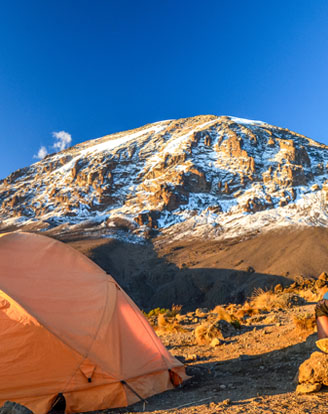
- Climb Mount Kilimanjaro — Several established routes lead to Uhuru Peak on the summit. Climbs take several days with licensed guides, and gradual acclimatisation is essential.
- Kilimanjaro National Park — Even without summiting, day hikes on the lower slopes pass through lush montane forest with views of the peak.
- Arusha National Park — A compact park near Arusha with Mount Meru, the Momella Lakes, giraffes, buffalo and colobus monkeys.
- Northern safari circuit — Arusha is the gateway to the Serengeti, Ngorongoro Crater, Tarangire and Lake Manyara, famous for their wildlife.
- Materuni waterfalls and coffee farms — Villages above Moshi offer walks to waterfalls and a chance to see how local coffee is grown and roasted.
- Chemka hot springs — Clear, warm spring-fed pools surrounded by fig trees, a relaxing day out between Moshi and Arusha.
Best time to visit Kilimanjaro
The best months for climbing and safaris are the dry seasons, from June to October and from January to February. Skies are clearer, trails are drier and wildlife is easier to spot. Nights on the mountain are cold in every season.
The long rains usually fall from March to May, when trails can be muddy and cloud often hides the summit. The short rains arrive around November. The lowlands are warm year-round, while Arusha, set higher, has cooler evenings.
Getting from the airport
Kilimanjaro International Airport (JRO) lies roughly midway between Arusha, to the west, and Moshi, to the east. Taxis are available on arrival, and many hotels, lodges and trekking or safari companies arrange transfers for their guests. Book ahead if you are arriving late at night.
Where to stay
Where you stay depends on whether you plan to climb or head on safari.
- Moshi — A laid-back town at the foot of Kilimanjaro and the usual base for climbers, with views of the peak on clear mornings.
- Arusha — A lively city and the main base for northern safaris, with markets, cafés and good services.
- Usa River — A quieter, green area between Arusha and the airport, surrounded by farms and close to Arusha National Park.
- Marangu — A village on Kilimanjaro's lower slopes, near one of the park gates, for a peaceful mountain setting.
Travel tips
- Money: Carry Tanzanian shillings for markets and small purchases. Cards are accepted at many hotels and lodges, and cash machines are found in Arusha and Moshi.
- Climbing: Choose a licensed operator, allow enough days to acclimatise, and check that your travel insurance covers high-altitude trekking.
- Tipping: Tipping guides, porters and safari drivers is customary; ask your operator for current guidance.
- Etiquette: Ask before photographing people, especially in Maasai communities, and dress modestly in towns.
- What to pack: Warm layers for cool mornings and nights, sturdy boots, sun protection and neutral colours for game drives.
- Entry requirements: Check the latest entry requirements for Tanzania before you travel.
Frequently asked questions
What is the best time to visit Kilimanjaro?
The best time is during the dry seasons, from June to October and from January to February. These months offer the clearest views and the most reliable conditions for climbing and safaris.
Which airport serves Kilimanjaro, Arusha and Moshi?
The main international airport for the region is Kilimanjaro International Airport (JRO), located between Arusha and Moshi.
How do I get from the airport to Arusha or Moshi?
Taxis are available at the airport, and most hotels, lodges and tour companies can arrange a transfer. Booking ahead is wise, especially for late arrivals.
What currency is used in Tanzania?
Tanzania uses the Tanzanian shilling (TZS). Cash is useful for small purchases, while many hotels, lodges and tour operators accept cards.
Do I need a visa to visit Tanzania?
Entry requirements depend on your nationality and change from time to time. Check the latest requirements with RwandAir's travel requirements tool or the official government website before you travel.
Do I need experience to climb Mount Kilimanjaro?
No technical climbing experience is needed, but you should be in good physical condition and allow enough days to acclimatise to the altitude. All climbs must be done with a licensed guide.
Updated: