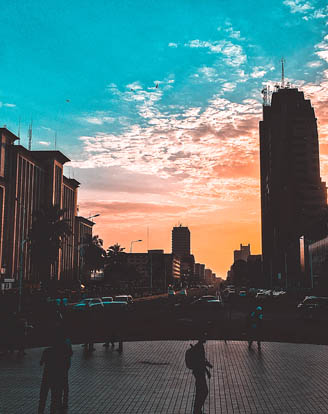





Lubumbashi is primarily a business city, but it has several rewarding sights and a relaxed pace.
- National Museum of Lubumbashi — Collections of archaeology, ethnography and traditional art from the Katanga region.
- Lubumbashi Zoo — One of the country’s best-known zoological gardens, popular with local families.
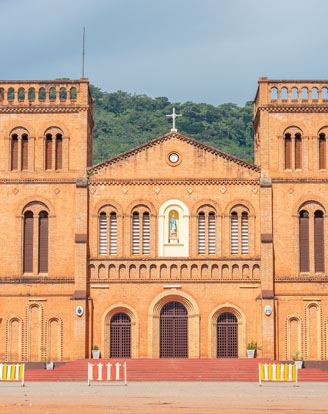
- Cathedral of Saints Peter and Paul — A prominent landmark of the city centre.
- City-centre architecture — Stroll the grid of broad avenues lined with early-20th-century buildings.
- The Gécamines slag heap — The vast mining spoil heap is an unmistakable symbol of the city’s copper history.
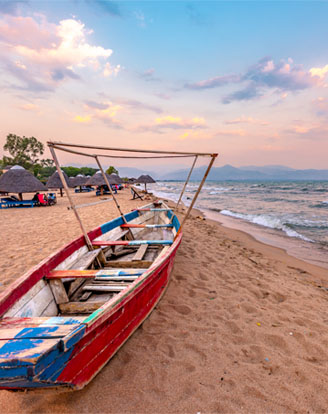
- Lake Kipopo — A lakeside area outside the city, popular for weekend relaxation.
- Local music and food — Enjoy Congolese rumba and grilled dishes in the city’s lively bars and restaurants.
Lubumbashi sits on a high plateau, so it is cooler than much of the Congo. The dry season, roughly from May to September, brings sunny days, low humidity and cool nights, sometimes quite chilly in June and July. This is the most comfortable time for travel and excursions.
The rainy season runs roughly from November to March, with heavy afternoon storms, warm temperatures and lush green surroundings. October is usually the hottest month before the rains arrive. Road travel outside the city can be more difficult during the wettest months.
Lubumbashi International Airport, also known as Luano Airport, lies north-east of the city centre, a short drive from the main business districts. There is no rail or metro link, so most travellers arrange a transfer through their hotel or employer.
Taxis are available at the airport, but it is advisable to agree the arrangement in advance or use a trusted driver. Journey times depend on traffic, which can be heavy at busy times of day.
Most hotels used by international visitors are in or close to the city centre.
- Centre-ville — The commercial heart, with banks, offices, restaurants and most hotels; ideal for business travellers.
- Quartier Golf — A leafy, quieter residential area with some guesthouses and restaurants; suits longer stays.
- City outskirts — A few quieter lodgings lie on the edge of the city, suited to travellers who want a calmer setting and have their own transport.
- Money: US dollars are widely used alongside Congolese francs; bring clean, recent notes and carry small denominations, as card acceptance is limited.
- Getting around: Use hotel-arranged cars or trusted drivers rather than hailing vehicles on the street.
- Etiquette: Greetings matter; dress smartly for business meetings and ask before photographing people or official buildings.
- Health and safety: Consult a travel health professional about vaccinations and malaria prevention, and check your government’s latest travel advice before you go.
- Language: French is used for business and administration, while Swahili is widely spoken on the street.
Frequently asked questions
Which airport serves Lubumbashi?
Lubumbashi is served by Lubumbashi International Airport (FBM), also called Luano Airport, north-east of the city centre.
How do I get from the airport to the city centre?
Most visitors use a hotel transfer or a pre-arranged driver; taxis are also available at the airport.
What currency is used in Lubumbashi?
The official currency is the Congolese franc (CDF), but US dollars are widely accepted. Cash is essential, as card payments are limited.
Do I need a visa to visit Lubumbashi?
Entry requirements depend on your nationality and can change. Check RwandAir’s travel requirements tool or the official government website before travelling.
When is the best time to visit Lubumbashi?
The dry season from May to September is sunny and pleasantly cool. The rainy season from November to March is warm and wet.
Why is Lubumbashi known as a mining city?
Lubumbashi is the main city of the Katanga copper belt, one of the world’s important copper- and cobalt-producing regions, and mining has shaped its history and economy.
Updated: