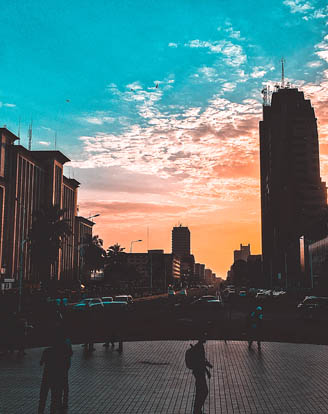




Malabo is small and walkable, with Bioko Island’s wild landscapes close by.
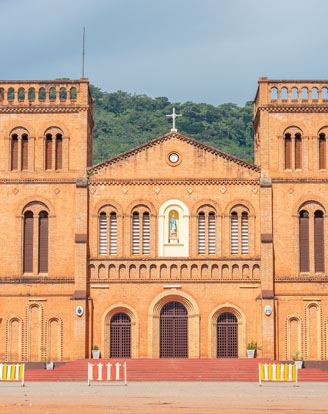
- Malabo Cathedral — The neo-Gothic Cathedral of Santa Isabel, with twin towers, is the city’s best-known landmark.
- Old town and Plaza de la Independencia — Stroll among Spanish colonial buildings, squares and the waterfront near the port.
- Cultural centres — The city’s cultural centres host exhibitions, concerts, films and events on local and Hispanic culture.
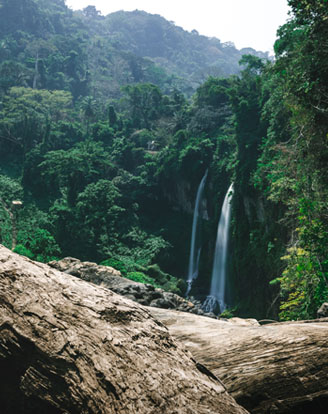
- Pico Basilé — Bioko’s highest peak, with cloud forest and, on clear days, views across the island and sea.
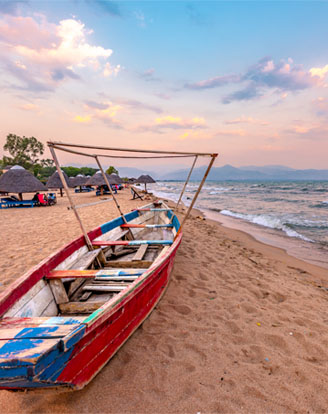
- Arena Blanca — A white-sand beach on the west coast, known for swarms of butterflies in the dry season.
- Southern Bioko — Remote areas around Ureca where sea turtles nest and rare primates live in the rainforest; visits usually require local arrangements.
Malabo has a hot, humid equatorial climate with rain for much of the year and frequent cloud cover. The heaviest rains usually fall from about June to October, while December to February is the relatively drier season with more sunshine.
December to February is the best time to visit, when roads and trails are easier and beaches are at their most inviting. Turtle nesting on the island’s southern beaches generally takes place during the drier months, roughly from November to February, though conditions vary year to year.
Malabo International Airport lies west of the city, on the coast near Punta Europa, a short drive from the centre. It handles international and domestic flights, including connections to Bata on the mainland.
Taxis are available outside the terminal, and many hotels provide airport transfers for their guests, which is the simplest option. Agree taxi fares before setting off and carry your documents, as checkpoints can occur.
Hotels are concentrated in the centre and in newer districts along the coast.
- Old town — The historic centre near the cathedral and port; convenient for walking and sightseeing.
- Malabo II — A modern district with business hotels, offices and shopping centres.
- Sipopo — A coastal development east of the city with resort-style hotels and a conference centre.
- Money: Carry CFA francs in cash; card acceptance is limited, and ATMs may not accept all foreign cards.
- Photography: Taking photographs of government buildings, the presidential areas, the port or security personnel is restricted, so ask before taking any photos.
- Documents: Carry your passport or a copy at all times, as checks are common.
- Health: Malaria is present, so seek medical advice before travel and use repellent.
- Language: Spanish is the main language; some French is useful, while English is less widely spoken.
Frequently asked questions
Which airport serves Malabo?
Malabo is served by Malabo International Airport (SSG), west of the city near Punta Europa.
How do I get from the airport to the city centre?
Taxis and hotel transfers are the usual options. The drive is short.
What currency is used in Malabo?
The Central African CFA franc (XAF) is used. Cash is important, as card acceptance is limited.
Do I need a visa to visit Equatorial Guinea?
Entry requirements depend on your nationality and can change. Check RwandAir’s travel requirements tool or the official government website before travelling.
When is the best time to visit Malabo?
December to February, the drier season, is the most pleasant time to visit.
Why is Spanish spoken in Malabo?
Equatorial Guinea was a Spanish colony until 1968, and Spanish remains the main official language, making it the only country in sub-Saharan Africa with Spanish as an official language.
Updated: