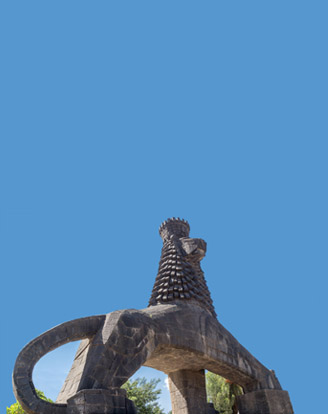

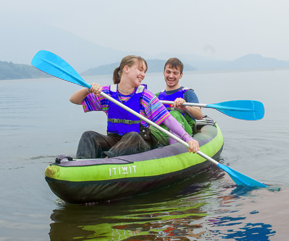



Mwanza’s charm lies in its lakeside setting, dramatic rocks and access to some remarkable parks.
- Bismarck Rock — A famous balancing granite formation standing in the lake near the city centre, best at sunset.
- Saanane Island National Park — A small island park a short boat ride from the city, with rocky trails, birds and small mammals.
- Capri Point — A peninsula with lake views, restaurants and a relaxed atmosphere.
- Rubondo Island National Park — A remote forested island in the lake, known for birdlife and peaceful walks, reached by boat or small plane.
- Bujora Sukuma Museum — A cultural museum east of the city presenting the traditions of the Sukuma people, famed for their dance.
- Serengeti western corridor — Mwanza is a starting point for safaris into the western Serengeti.
Mwanza is warm year-round, moderated by the lake. The main rains usually fall from about March to May, with shorter rains around November and December, bringing thunderstorms and humid conditions.
The dry season from June to September is the most comfortable time to visit and the best for safaris in the western Serengeti, where the wildebeest migration typically passes through the corridor around the middle of the year. January and February are also relatively dry and pleasant. Sunsets over the lake are spectacular in any season.
Mwanza Airport lies on the lakeshore roughly 10 km north of the city centre. It is one of Tanzania’s busier regional airports, with domestic and some regional flights.
Taxis wait outside the terminal, and ride-hailing apps may be available in the city. Many hotels offer airport pick-ups if booked ahead. The drive into the centre is usually straightforward, though traffic can build up at peak times. Safari operators often meet guests at the airport for onward travel to the Serengeti.
Mwanza has a good range of hotels, from business-focused city hotels to lakeside retreats.
- City centre — Close to markets, banks and ferry terminals; practical for business and short stays.
- Capri Point — Lakeside peninsula with views and calmer surroundings, ideal for leisure travellers.
- Isamilo — A hilly, leafy residential area with guesthouses and views over the lake.
- Money: Carry Tanzanian shillings for daily purchases; cash machines are common, cards work in larger hotels and mobile money is widely used.
- Getting around: Taxis, bajaji and bodaboda are everywhere; agree fares before setting off.
- On the lake: Use reputable boat operators with life jackets, and avoid swimming in the lake because of health risks such as bilharzia.
- Health: Protect yourself from mosquitoes and seek medical advice about malaria prevention.
- Language: Swahili is the everyday language; a few greetings like “Habari” and “Asante” are appreciated.
Frequently asked questions
Which airport serves Mwanza?
Mwanza is served by Mwanza Airport (MWZ), on the lakeshore about 10 km north of the city centre.
How do I get from the airport to the city centre?
Taxis are available at the terminal, and hotels can arrange pick-ups. The drive is usually short.
What currency is used in Mwanza?
Tanzania uses the Tanzanian shilling (TZS). Cash and mobile money are the most common ways to pay.
Do I need a visa to visit Mwanza?
Entry requirements depend on your nationality and can change. Check RwandAir’s travel requirements tool or the official government website before travelling.
When is the best time to visit Mwanza?
June to September is dry and ideal for safaris. The main rains usually fall from March to May.
Why is Mwanza called the Rock City?
The city is surrounded by huge granite boulders, some precariously balanced, on its hills and along the shore of Lake Victoria.
Updated: