



Walvis Bay combines rich marine life with the dramatic scenery of the Namib Desert.
- Walvis Bay Lagoon — An internationally important wetland where large flocks of flamingos and other waterbirds feed along the promenade.
- Marine cruises — Boat trips towards Pelican Point to see Cape fur seals, dolphins and pelicans, and sometimes whales, often with oysters on board.
- Sandwich Harbour — A guided 4x4 excursion where towering dunes plunge straight into the Atlantic, within the Namib-Naukluft National Park.
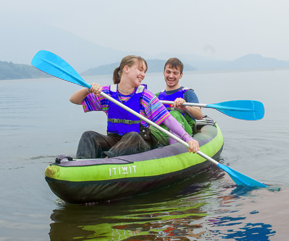
- Kayaking at Pelican Point — Paddle among curious seals in the calm waters of the bay.
- Dune 7 — One of the tallest dunes in the area, popular for climbing and sandboarding.
- Swakopmund — The neighbouring seaside town, with German colonial architecture, cafés and adventure activities.
Walvis Bay has a cool desert coastal climate, shaped by the cold Benguela Current. Rain is extremely rare, and morning fog is common for much of the year, usually clearing by midday. Temperatures stay mild year-round, without the extreme heat of the inland desert.
The town can be visited at any time, and marine wildlife is present all year. The months from about November to March tend to be the warmest and sunniest, while flamingos are often especially numerous on the lagoon in the cooler months. Occasional hot, dusty east winds can blow in winter.
Walvis Bay Airport lies inland, east of the town, roughly a 15 to 20-minute drive from the centre and around half an hour from Swakopmund. It handles domestic and regional flights.
There is no public transport link, so most travellers use pre-booked shuttles, taxis or hotel transfers. Car hire desks are available, and a hire car is the most flexible way to explore the coast and desert, though Sandwich Harbour should only be visited with an experienced guide.
Visitors can stay in Walvis Bay itself or in nearby Swakopmund.
- Lagoon area — Guesthouses near the flamingo-lined promenade; ideal for birdwatchers and relaxed stays.
- Town centre and waterfront — Close to restaurants and the departure point for boat cruises.
- Langstrand — A quiet seaside settlement between Walvis Bay and Swakopmund with beachfront accommodation.
- Swakopmund — A larger choice of hotels and restaurants, popular with adventure travellers.
- Money: Cards are widely accepted; Namibian dollars and rand can both be used.
- Clothing: Pack warm layers and a windproof jacket, as fog and sea breezes make mornings and evenings cool.
- Desert driving: Never drive into the dunes without proper 4x4 experience and permits; use licensed guides for Sandwich Harbour.
- Protected areas: Stay on marked tracks to protect fragile desert lichens and wildlife.
- Safety: Keep valuables out of sight in vehicles and use secure parking at night.
Frequently asked questions
Which airport serves Walvis Bay?
Walvis Bay is served by Walvis Bay Airport (WVB), east of the town.
How do I get from the airport to the town centre?
Pre-booked shuttles, taxis, hotel transfers and hire cars are the usual options. The drive is short.
What currency is used in Walvis Bay?
The Namibian dollar (NAD) is used, and the South African rand is also accepted.
Do I need a visa to visit Namibia?
Entry requirements depend on your nationality and can change. Check RwandAir’s travel requirements tool or the official government website before travelling.
When is the best time to visit Walvis Bay?
Walvis Bay can be visited all year; November to March is usually warmest and sunniest.
Can I visit Sandwich Harbour independently?
It is strongly recommended to go with a licensed guide, as access involves driving on sand and along the shoreline, where tides make conditions hazardous.
Updated: