



Top things to do in Bamako
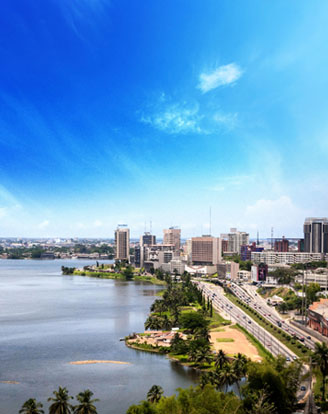
Bamako’s highlights revolve around its culture, music and the Niger River.
- National Museum of Mali — An excellent museum with textiles, masks, archaeology and displays on the country’s rich heritage.
- Parc National du Mali — A large green park next to the museum, with walking trails and botanical gardens.
- Grand Marché — The bustling central market, full of fabrics, spices, crafts and everyday goods.
- Maison des Artisans — A craft centre where you can see artisans at work on jewellery, leather and wood.
- Niger River — Watch fishermen and pirogues from the riverbanks or the bridges, especially at sunset.
- Point G — A hill overlooking the city, with wide views of Bamako and the river.
- Live music — Bamako is a cradle of Malian music; ask locally about concerts and venues.
Best time to visit Bamako
Bamako has a hot tropical climate with a distinct wet and dry season. The best time to visit is from November to February, during the dry season, when temperatures are at their most comfortable and skies are clear, although the harmattan wind can bring dust from the Sahara.
March to May is very hot, with high afternoon temperatures. The rainy season runs roughly from June to October, bringing heavy storms and humidity but also greener surroundings and a higher Niger River. Outdoor activities are easiest in the early morning and late afternoon whatever the season.
Getting from the airport
Modibo Keita International Airport, also known as Bamako-Sénou, lies about 15 km south of the city centre, and the drive into town usually takes 25 to 40 minutes depending on traffic.
Most visitors are met by their hotel, employer or tour operator, which is the recommended option. Taxis are also available outside the terminal; agree the fare before setting off, as meters are not used. Arranging your transfer in advance makes arrival easier, particularly for late-evening flights.
Where to stay
Most international visitors stay in districts on either bank of the Niger.
- ACI 2000 — A modern business district with hotels, offices and restaurants; suits business travellers.
- Hippodrome — A lively area with restaurants, bars and music venues; good for evenings out.
- City centre — Close to the Grand Marché and the museum; convenient for sightseeing.
- South bank near the river — Quieter hotels with river views; practical for the airport.
Travel tips
- Travel advice: Check your government’s latest travel advice for Mali before booking and travelling, and avoid travel outside the capital unless advised it is safe.
- Money: Cash in CFA francs is essential; cards are accepted mainly in larger hotels.
- Health: Seek medical advice on vaccinations and malaria prevention, drink bottled water and protect yourself from the sun.
- Etiquette: Greetings are important, dress modestly and ask before photographing people.
- Language: Bambara is widely spoken and French is used in business and administration; a simple “i ni ce” (hello) in Bambara is appreciated.
Frequently asked questions
Which airport serves Bamako?
Modibo Keita International Airport (BKO), also called Bamako-Sénou, about 15 km south of the city centre.
How do I get from the airport to the city centre?
Most visitors use a pre-arranged transfer; taxis are also available, and the drive takes around 25 to 40 minutes.
What currency is used in Bamako?
The West African CFA franc (XOF).
Do I need a visa to visit Mali?
Entry requirements depend on your nationality and change from time to time. Check RwandAir’s travel requirements tool or the official government website before you travel.
When is the best time to visit Bamako?
November to February, during the cooler dry season.
Is the National Museum of Mali worth visiting?
Yes. It is one of the finest museums in West Africa, with remarkable textiles, masks and archaeological collections.
Updated: