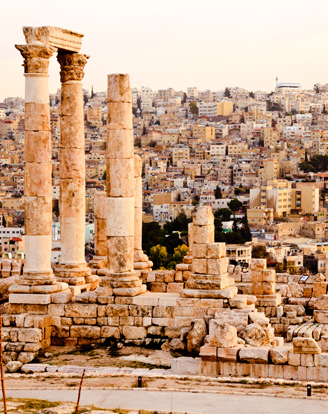




Basra’s character is shaped by water, palms and centuries of trade between Mesopotamia and the Gulf.
- Shatt al-Arab Corniche — Walk the riverside promenade at sunset, when families gather and boats ply the waterway.
- Basrah Museum — Explore archaeological collections from southern Iraq, housed in a former palace on the river.
- Shanasheel houses — Admire the carved wooden balconies of Basra’s old houses, a hallmark of the city’s traditional architecture.
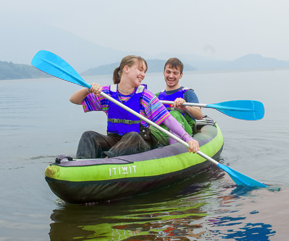
- Boat trip on the Shatt al-Arab — See the city, date palm groves and river life from the water.
- Mesopotamian Marshes — Take a guided excursion to the UNESCO-listed wetlands of southern Iraq, known for reed villages and birdlife.
- Al-Qurna — Visit the town north of Basra where the Tigris and Euphrates meet, linked by tradition to the Garden of Eden.
Basra has one of the hottest climates in the region. Summers, from May to September, are extremely hot, with high humidity close to the Gulf and temperatures that can approach or exceed 50°C. Dust storms can also occur.
The most comfortable months are November to March, when days are warm and evenings mild, making it the best time for walking the corniche, taking boat trips and visiting the marshes. Winter brings the little rain the city receives. Religious occasions such as Ramadan affect opening hours, so plan accordingly.
Basra International Airport is located north-west of the city, typically a drive of around 30 minutes to central Basra depending on traffic and checkpoints.
There is no rail or metro connection. Most travellers use airport taxis, hotel transfers or cars arranged in advance by their host or company, which is the simplest and most reliable approach. Security checks are common on the approach roads and at the terminal, so allow extra time, especially when departing.
Visitors to Basra generally stay in hotel areas that offer easy access to the river and commercial districts.
- Corniche and riverfront — Suits travellers who want views of the Shatt al-Arab and evening walks nearby.
- City centre (Al-Ashar area) — Good for markets, local restaurants and a sense of the old city.
- Business districts and newer developments — Practical for business travellers, with international-style hotels and meeting facilities.
- Near the airport road — Convenient for short stays and early departures.
- Travel advice: Check your government’s latest travel advice for Iraq before booking and again before departure, and follow local guidance during your stay.
- Money: Carry cash; the Iraqi dinar is used daily and US dollars are widely exchanged, while card payments are limited.
- Getting around: Use drivers recommended by your hotel or host, and carry identification for checkpoints.
- Dress and etiquette: Dress conservatively, especially at religious sites, and ask before photographing people or official buildings.
- Heat: In the warmer months, stay hydrated, avoid the midday sun and plan outdoor visits for early morning or evening.
Frequently asked questions
Which airport serves Basra?
Basra is served by Basra International Airport (BSR), located north-west of the city.
How do I get from the airport to the city centre?
Use an airport taxi, a hotel transfer or a car arranged in advance. There is no train, and security checks can add time.
What currency is used in Basra?
Iraq uses the Iraqi dinar (IQD). Cash is essential, and US dollars are widely exchanged.
Do I need a visa to visit Iraq?
Entry requirements depend on your nationality and can change. Check RwandAir’s travel requirements tool or the official government website before travelling.
When is the best time to visit Basra?
November to March is the most comfortable period, avoiding the extreme summer heat.
Can I visit the Mesopotamian Marshes from Basra?
Yes. The marshes of southern Iraq, listed by UNESCO, can be visited on guided excursions from Basra, often including a boat trip through the reed beds.
Updated: