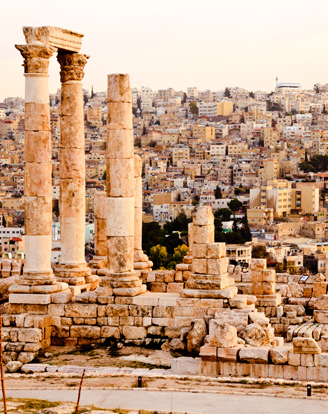



Erbil combines millennia of history with a lively, hospitable modern city.
- Erbil Citadel — Walk around the UNESCO-listed mound at the heart of the city, with restored gateways, lanes and views over Erbil.
- Kurdish Textile Museum — Discover traditional rugs, kilims and weaving inside the Citadel.
- Qaysari Bazaar — Browse the covered market at the foot of the Citadel for spices, sweets, textiles and everyday goods.
- Mudhafaria Minaret — See the brick minaret that survives from the medieval city, set in a small park.
- Sami Abdulrahman Park — Relax in one of the city’s largest green spaces, popular with families in the evenings.
- Ankawa — Visit this historic Christian district, known for its churches, restaurants and cafés.
- Mountain day trips — Head north-east towards Shaqlawa and the Gali Ali Beg gorge for cooler air and mountain scenery.
Erbil has hot, dry summers and cool, wetter winters. From June to September daytime temperatures are often very high, while winter nights can be cold, with snow possible in the nearby mountains.
Spring, from March to May, is especially beautiful, when the surrounding hills turn green and wildflowers bloom. Newroz, the Kurdish New Year on 21 March, is celebrated with bonfires, music and picnics. Autumn, from September to November, also offers pleasant weather for exploring the city and the mountains.
Erbil International Airport is located a short distance north-west of the city centre, generally a drive of around 15 to 25 minutes.
Because of security arrangements, private vehicles may not be able to drive right up to the terminal; an airport shuttle bus typically links the terminal with a separate pick-up and drop-off area, where taxis, hotel transfers and private drivers wait. Ride-hailing and local taxi apps also operate in the city. Allow extra time for security screening when departing.
Erbil’s hotels are spread between the historic core and newer districts along the city’s ring roads.
- Around the Citadel — Best for sightseeing, with the bazaar, museums and traditional teahouses on your doorstep.
- Ankawa — Popular with international visitors for its restaurants, cafés and relaxed atmosphere.
- Gulan and 100 Meter Road area — Suits business travellers, with modern hotels, malls and offices.
- Near Sami Abdulrahman Park — A convenient, green base with easy access to the centre.
- Travel advice: Check your government’s latest travel advice for Iraq and the Kurdistan Region before booking and before departure.
- Money: Cash is widely used; US dollars are commonly accepted and exchanged, while card payments are mostly limited to larger hotels and malls.
- Getting around: Taxis and ride-hailing apps are the easiest way to travel; carry identification, as checkpoints are common on roads between cities.
- Etiquette: Dress modestly, particularly at mosques and in traditional areas, and accept offers of tea as a sign of hospitality.
- Language: Kurdish is the main language; a simple “spas” (thank you) is warmly received.
Frequently asked questions
Which airport serves Erbil?
Erbil is served by Erbil International Airport (EBL), a short drive north-west of the city centre.
How do I get from the airport to the city centre?
Take the airport shuttle to the public pick-up area, then continue by taxi, hotel transfer or private driver. The drive to the centre is usually short.
What currency is used in Erbil?
Iraq uses the Iraqi dinar (IQD). US dollars are also widely accepted and exchanged.
Do I need a visa to visit Erbil?
Entry requirements depend on your nationality and can change. Check RwandAir’s travel requirements tool or the official government website before travelling.
When is the best time to visit Erbil?
Spring (March–May) and autumn (September–November) offer the most pleasant weather.
Why is Erbil Citadel famous?
The Citadel is a UNESCO World Heritage Site and is considered one of the oldest continuously inhabited settlements in the world, rising on a high mound above the modern city.
Updated: