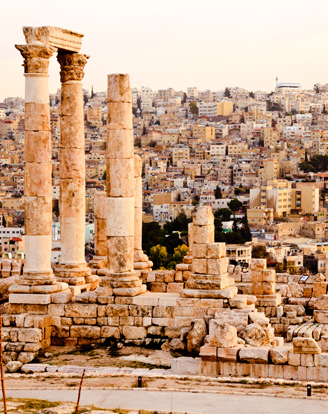




Ha’il combines ancient heritage with dramatic desert and mountain scenery.
- Jubbah rock art — Part of the UNESCO World Heritage Site “Rock Art in the Hail Region”, with thousands of petroglyphs of people and animals, north-west of the city.
- Shuwaymis — The second component of the UNESCO site, with remarkable rock carvings in a more remote setting; best visited with a guide.
- A’Arif Fort — A mud-brick fort on a hill overlooking the city, especially attractive when lit at night.
- Qishlah Palace — A large mud-brick fortress-palace in the city centre with towers and courtyards, built in the 20th century.
- Nafud desert — Red sand dunes stretch north of the city, ideal for desert drives and sunset views with an experienced operator.
- Aja mountains — Granite peaks and valleys around the city offer scenic drives and short walks.
Ha’il has a desert climate with hot summers and cool winters. Thanks to its elevation, winter nights can be cold, and frost is possible at times.
The most pleasant time to visit is from about November to March, with sunny, mild days ideal for exploring rock art sites and the desert. Summers, from about June to August, are very hot, so outdoor activities are best kept to early morning and evening.
Ha’il International Airport is located a short drive from the city centre and handles domestic and some regional flights.
Taxis and ride-hailing apps are the usual ways into the city, and car hire is available, which is useful for exploring sites outside Ha’il. There is no rail or metro link from the terminal. Many hotels can arrange transfers on request.
Ha’il offers a mix of business hotels and furnished apartments, mostly along the main roads.
- City centre — Close to Qishlah Palace, markets and restaurants; convenient for sightseeing.
- Main boulevards — Larger hotels with parking suit business travellers and road-trippers.
- Furnished apartments — Popular with families and longer stays, offering more space and kitchens.
- Money: Cards and mobile payments are widely accepted; carry some cash for small shops and rural areas.
- Getting around: A car is the easiest way to reach Jubbah, the desert and the mountains; consider a guide for remote sites.
- Dress and etiquette: Dress modestly in public, with shoulders and knees covered, and respect prayer times when shops may close briefly.
- Desert safety: Never drive into the dunes alone; carry water and go with an experienced local operator.
- Language: Arabic is used everywhere; English is spoken in hotels and larger businesses.
Frequently asked questions
Which airport serves Ha’il?
Ha’il is served by Ha’il International Airport (HAS), a short drive from the city centre.
How do I get from the airport to the city centre?
Take a taxi or ride-hailing car, or hire a car at the airport.
What currency is used in Ha’il?
Saudi Arabia uses the Saudi riyal (SAR).
Do I need a visa to visit Ha’il?
Entry requirements depend on your nationality and can change. Check RwandAir’s travel requirements tool or the official government website before travelling.
When is the best time to visit Ha’il?
From about November to March, when temperatures are mild.
Is the rock art near Ha’il a World Heritage Site?
Yes, the rock art at Jubbah and Shuwaymis is listed by UNESCO as “Rock Art in the Hail Region of Saudi Arabia”.
Updated: