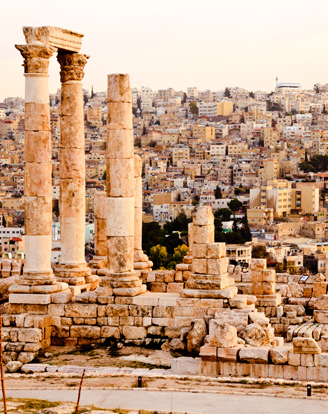




Lar’s old town preserves traces of its long history as a trading centre on routes between the Persian Gulf and the interior.
- Qeysariyeh Bazaar — A historic domed bazaar from the Safavid era, a fine example of traditional Persian market architecture.
- Water cisterns (ab anbars) — Lar is known for its many domed cisterns, built to store rainwater in this dry region; their shapes dot the landscape around the town.
- Lar Castle — The remains of a fortress on a hill above the old town, with wide views over the surrounding plain.
- Old town — Wander lanes with traditional houses, mosques and shrines that survived the town’s rebuilding after a major earthquake in the 20th century.
- Local cuisine — Try dishes of southern Iran, dates and sweets, often flavoured with spices and fish from the Gulf region.
- Larestani culture — Listen for the local Larestani language, distinct from standard Persian, and the region’s traditional music.
Lar has a hot, dry climate. Summers, from about May to September, are extremely hot, and sightseeing is best kept to early morning and evening.
The most pleasant time to visit is from about November to March, when days are mild and sunny and nights are cool. Persian New Year (Nowruz), around 21 March, is a major holiday when many Iranians travel and businesses may close for several days.
Larestan International Airport is located a short drive from the town and handles domestic and some regional flights, including to Gulf destinations.
There is no rail or metro link. Taxis are the usual way into town, and hotels or hosts can arrange pick-ups. Ride-hailing apps operate in many Iranian cities but may be less available in smaller towns, so a pre-arranged transfer is often the simplest choice.
Lar has a modest choice of hotels and guesthouses, mainly used by business travellers and visiting families.
- New town — The modern part of Lar, with most hotels, shops and restaurants; the most practical base.
- Near the old town — Closer to the bazaar and historic sites; suits travellers interested in heritage.
- Main roads — Hotels along the main routes suit road travellers heading to other towns in southern Fars or towards the coast.
- Travel advice: Many governments advise against travel to Iran, so check your government’s latest travel advice before planning a trip.
- Money: International bank cards generally do not work in Iran, so bring enough cash; prices are often quoted in tomans (ten rials).
- Dress code: Women are expected to cover their hair and wear loose clothing; men should avoid shorts in public.
- Heat: In the warmer months, carry water and avoid being outdoors in the middle of the day.
- Language: Persian is used everywhere; English is limited, so a translation app is helpful.
Frequently asked questions
Which airport serves Lar?
Lar is served by Larestan International Airport (LRR), a short drive from the town.
How do I get from the airport to the town?
Take a taxi or arrange a pick-up with your hotel or host.
What currency is used in Lar?
Iran uses the Iranian rial (IRR), though prices are often quoted in tomans. Bring cash, as foreign cards generally do not work.
Do I need a visa to visit Lar?
Entry requirements depend on your nationality and can change. Check RwandAir’s travel requirements tool or the official government website before travelling.
When is the best time to visit Lar?
From about November to March, when the weather is mild.
What are the domed structures around Lar?
They are ab anbars, traditional cisterns built to collect and store rainwater in the dry climate of southern Iran.
Updated: