




Top things to do in Riyadh
Riyadh combines centuries of heritage with bold modern architecture, and its main sights are spread across the city, so plan to travel between them by car or taxi.
- Diriyah and At-Turaif — The original home of the Saudi royal family on the edge of the city, where the mud-brick At-Turaif district is a UNESCO World Heritage Site surrounded by restored heritage areas and restaurants.
- Masmak Fortress — A 19th-century clay and mud-brick fort in the old centre, closely linked to the founding of the modern Saudi state, now a museum.
- National Museum of Saudi Arabia — A major museum in the King Abdulaziz Historical Center tracing the history of the Arabian Peninsula from prehistory to the present day.
- Murabba Palace — The traditional palace of King Abdulaziz, set in landscaped grounds beside the National Museum, offering insight into royal life in the early 20th century.
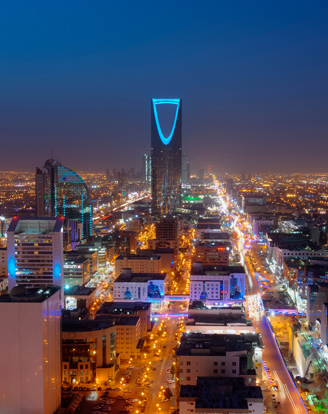
- Kingdom Centre Tower — One of Riyadh’s most recognisable skyscrapers, with a sky bridge near the top offering sweeping views across the city.
- Souq Al Zal — One of the city’s oldest traditional markets, known for carpets, antiques, perfumes, traditional clothing and incense.
- Edge of the World — A spectacular escarpment in the desert north-west of the city, where sheer cliffs drop to a vast plain; best visited with an experienced guide and a four-wheel-drive vehicle.
Best time to visit Riyadh
The best time to visit Riyadh is from November to March, when days are warm and sunny and evenings are pleasantly cool, sometimes even chilly in December and January. This is the ideal season for exploring heritage sites on foot, dining outdoors and taking trips into the desert, and it is also when the city hosts a busy programme of seasonal entertainment, cultural and sporting events.
From May to September, Riyadh is extremely hot and dry, with daytime temperatures often exceeding 40°C. Outdoor sightseeing is best limited to early mornings and evenings in summer, while air-conditioned museums, malls and restaurants remain comfortable throughout the day. Occasional sandstorms can reduce visibility, particularly in spring.
The dates of Ramadan and the Eid holidays follow the Islamic lunar calendar and move earlier each year. During Ramadan, daily rhythms change: many businesses adjust their hours and the city comes alive after sunset, which can be a memorable time to experience local traditions.
Getting from the airport
King Khalid International Airport is located around 35 kilometres north of central Riyadh and is connected to the city by a network of fast highways.
- Taxi — Official airport taxis are available outside the arrivals halls. The drive to central districts such as Olaya usually takes 30 to 45 minutes, longer during rush hour.
- Ride-hailing apps — App-based ride services are widely used in Riyadh and operate from designated pick-up areas at the airport.
- Metro — The Riyadh Metro connects the airport with the city’s rail network, offering an alternative to the roads for travellers staying near a station.
- Car hire — Car rental desks are located in the arrivals halls. Riyadh is a car-oriented city with wide highways, but traffic can be heavy at peak times.
Many hotels also offer pre-arranged transfers, which can be convenient after a long journey. Allow extra time when travelling to the airport for departure, especially on weekday evenings and at weekends, which in Saudi Arabia fall on Friday and Saturday.
Where to stay
Riyadh is a large, spread-out city, so choosing a base near your main activities, or near a major road or metro line, will save travel time. Most international hotels are concentrated in the business districts.
- Olaya — The central commercial district around the landmark towers, with malls, restaurants and good connections, ideal for first-time visitors and business travellers.
- King Abdullah Financial District — A modern district of striking skyscrapers in the north of the city, suited to business travellers and those who enjoy contemporary architecture.
- Northern Riyadh — Newer residential and commercial neighbourhoods closer to the airport, with cafés and dining along wide boulevards, popular with families and longer stays.
- Diriyah — A heritage area on the western edge of the city with hotels and restaurants overlooking the historic district, perfect for travellers seeking culture and atmosphere.
- Al Murabba and the historic centre — Close to the National Museum, Masmak Fortress and traditional souqs, a good choice for travellers focused on history and heritage.
Travel tips
- Dress respectfully — Modest clothing that covers the shoulders and knees is appreciated for all visitors in public places. Loose, lightweight fabrics are both respectful and comfortable in the heat.
- Prayer times and Ramadan — Some shops may briefly pause during daily prayer times. During Ramadan, visitors should avoid eating, drinking or smoking in public during daylight hours out of respect.
- Getting around — Taxis, ride-hailing apps and the metro are the easiest ways to travel. Distances are large and walking between sights is rarely practical, especially in the heat.
- Payment — Cards and mobile payments are widely accepted in shops, malls and restaurants, but carry some riyals for traditional souqs and small vendors.
- Etiquette — Always ask permission before photographing people, and use your right hand when offering or receiving items. Tipping is appreciated but not obligatory; rounding up or leaving around 10 percent for good service is common.
- Entry requirements — Visa and entry rules for Saudi Arabia depend on your nationality. Check the latest requirements with official sources before you travel.
Frequently asked questions
What is the best time to visit Riyadh?
November to March is the best time to visit, with warm, sunny days and cool evenings, ideal for heritage sites and desert trips. Summer, from May to September, is extremely hot, so outdoor sightseeing is best kept to early mornings and evenings.
Which airport serves Riyadh?
Riyadh is served by King Khalid International Airport (RUH), located around 35 kilometres north of the city centre. It is one of Saudi Arabia’s main international gateways and is linked to the city by highways.
How do I get from the airport to the city centre?
Taxis and ride-hailing services take around 30 to 45 minutes to central districts such as Olaya, depending on traffic. The Riyadh Metro also serves the airport, and car hire and hotel transfers are available.
What currency is used in Riyadh?
Saudi Arabia uses the Saudi riyal (SAR). Cards and mobile payments are widely accepted in shops, malls and restaurants, but it is useful to carry some cash for traditional souqs and small vendors.
Do I need a visa to visit Saudi Arabia?
Visa requirements depend on your nationality and the purpose of your trip. Please check official government sources or the IATA Travel Centre for the latest entry requirements before travelling.
What should I wear when visiting Riyadh?
Visitors are encouraged to dress modestly in public, with clothing that covers the shoulders and knees. Loose, breathable fabrics are ideal for the climate, and more conservative dress is appreciated when visiting religious or traditional sites.
Updated: