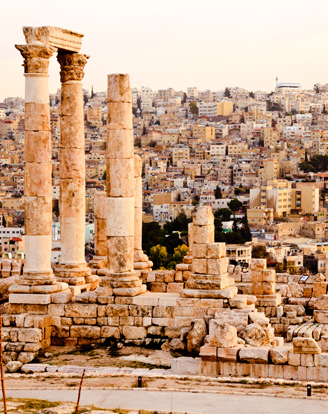

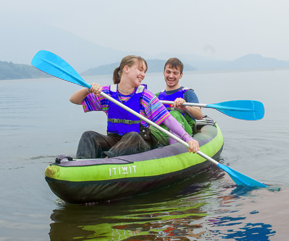



Sulaymaniyah pairs a strong cultural identity with easy access to mountain scenery.
- Amna Suraka — Visit this museum in a former security headquarters, which documents the recent history of the Kurdish people.
- Slemani Museum — See archaeological finds from the region spanning thousands of years.
- Main bazaar — Wander the busy market streets for fresh produce, sweets, spices and local crafts.
- Azadi Park — Relax in a large green park in the city, popular for evening strolls.
- Goizha mountain — Drive or hike up the slopes above the city for panoramic views, especially at sunset.
- Lake Dukan — Take a day trip to this large reservoir lake for picnics and scenery.
- Ahmadawa and the Hawraman area — Explore waterfalls, valleys and traditional mountain villages on longer excursions.
Thanks to its higher altitude, Sulaymaniyah is usually a little cooler than cities on the plains. Summers are hot and dry, while winters are cold and wet, with snow on the surrounding mountains and occasionally in the city.
Spring, from March to May, is the most beautiful season, with green hills, blossoming trees and comfortable temperatures. Newroz, the Kurdish New Year on 21 March, is celebrated with enthusiasm, including bonfires and picnics. Autumn, from September to November, is another excellent time for walking and mountain trips.
Sulaimaniyah International Airport lies to the west of the city, generally a drive of around 20 to 30 minutes to the centre.
There is no rail link. Travellers normally use airport taxis, hotel transfers or private drivers arranged in advance, and local ride-hailing or taxi apps can also be used in the city. Security checks are carried out at the airport, so allow extra time when departing. Agree fares in advance if taking a taxi without a meter.
Sulaymaniyah is compact enough that most hotels offer easy access to the bazaar and main sights by taxi.
- City centre and bazaar area — Best for travellers who want markets, teahouses and local life on the doorstep.
- Salim Street area — A central, well-connected spot with shops, restaurants and hotels.
- Near Azadi Park — A greener, calmer base with easy access to the centre.
- Towards Goizha — Suits visitors who want quieter surroundings and mountain views.
- Travel advice: Check your government’s latest travel advice for Iraq and the Kurdistan Region before booking and before departure.
- Money: Carry cash; the Iraqi dinar is used daily and US dollars are widely exchanged, while cards are accepted mainly in larger hotels.
- Getting around: Taxis are plentiful and inexpensive within the city; carry identification for checkpoints on intercity roads.
- Etiquette: Dress modestly, remove shoes when entering homes and mosques, and accept tea as a gesture of hospitality.
- Language: Kurdish (Sorani) is spoken everywhere; English is understood by some younger people and in hotels.
Frequently asked questions
Which airport serves Sulaymaniyah?
Sulaymaniyah is served by Sulaimaniyah International Airport (ISU), west of the city.
How do I get from the airport to the city centre?
Use an airport taxi, a hotel transfer or a pre-arranged driver. The drive usually takes around 20 to 30 minutes.
What currency is used in Sulaymaniyah?
Iraq uses the Iraqi dinar (IQD). US dollars are widely exchanged, and cash is preferred.
Do I need a visa to visit Sulaymaniyah?
Entry requirements depend on your nationality and can change. Check RwandAir’s travel requirements tool or the official government website before travelling.
When is the best time to visit Sulaymaniyah?
Spring (March–May) and autumn (September–November) are the most pleasant seasons.
Why is Sulaymaniyah called a cultural capital?
The city has long been a centre of Kurdish literature, poetry, education and the arts, and is home to museums, universities and a lively café culture.
Updated: