




Top things to do in Tel Aviv
Tel Aviv is compact and flat, so its beaches, historic quarters and markets are easy to explore on foot or by bike.
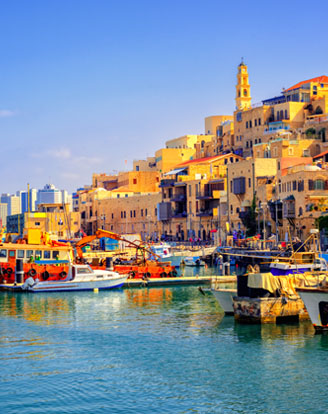
- Old Jaffa — Wander the stone alleys, hilltop gardens and ancient port of one of the oldest harbour towns in the world, with fine views back along the coast.
- Beaches and the Tayelet promenade — A seafront promenade runs for kilometres past sandy beaches, ideal for swimming, sunsets, cycling and people-watching.
- The White City — A UNESCO World Heritage Site with thousands of Bauhaus and International Style buildings, best seen around Rothschild Boulevard and Dizengoff Street.
- Carmel Market — The city's best-known open-air market, packed with stalls selling fresh produce, spices, sweets and street food.
- Neve Tzedek — One of the first neighbourhoods built outside Jaffa, with restored houses, boutiques, galleries and a dance centre.
- Tel Aviv Museum of Art — A major museum with Israeli and international art, set in a striking modern building.
- Old Port and Yarkon Park — The redeveloped northern port has a wooden boardwalk and markets, next to a large riverside park popular for walking and cycling.
Best time to visit Tel Aviv
The best time to visit Tel Aviv is in spring (April to June) and autumn (September to November), when days are warm and sunny, the sea is pleasant for swimming and the evenings are comfortable for walking along the promenade.
Summer (July and August) is hot and humid with almost no rain, and the beaches are at their busiest. This is a popular holiday period, so accommodation can be harder to find and more expensive. Major religious holidays, which follow the Hebrew calendar and fall on different dates each year, can also affect opening times and transport, so check the calendar when planning. In June, the city's large Pride celebration fills the streets and beaches.
Winter (December to March) is mild, with most of the year's rainfall arriving in short, heavy showers between sunny spells. It is a quieter time to visit, good for museums, markets and city walks, although the sea is cooler.
Getting from the airport
Ben Gurion Airport is Israel's main international airport, located about 20 km south-east of central Tel Aviv. Security checks are thorough, so allow plenty of time, particularly when departing.
- Train — Trains run from the station beneath the arrivals area to several stations in Tel Aviv, taking around 15 to 20 minutes. Rail services do not normally run from Friday afternoon until Saturday evening.
- Taxis — Official taxis wait at a marked rank outside arrivals; the journey into the city usually takes 20 to 40 minutes depending on traffic. Fares are higher at night and on the Sabbath.
- Shared taxis and app-based rides — Shared minibuses and app-based taxi services also operate from the airport, and are useful when trains are not running.
If you arrive on a Friday evening or Saturday, plan on a taxi, as public transport is very limited.
Where to stay
Most visitors stay near the seafront or in the central districts, within walking distance of beaches, restaurants and the main sights.
- Beachfront and city centre — The strip along the promenade and the streets just inland suit travellers who want the sea on their doorstep and plenty of places to eat.
- Neve Tzedek — A charming, low-rise historic quarter with boutique stays, suiting couples and travellers who like a quieter, characterful base.
- Jaffa — Old stone streets, a flea market and a seaside setting, ideal for those interested in history and evening dining by the port.
- Rothschild Boulevard area — A tree-lined boulevard in the White City with cafés and bars, good for first-time visitors who want to be central.
- Old North — A leafy residential area near the port and Yarkon Park, suiting families and longer stays.
Travel tips
- Plan around the Sabbath — From Friday afternoon to Saturday evening most public transport stops and many shops close, although plenty of cafés, restaurants and beaches stay busy.
- Getting around — Buses, a light rail line, bike-share and app-based taxis cover the city, and the centre is very walkable. Many visitors use a rechargeable transport card or a transport app.
- Respect local customs — Dress modestly, covering shoulders and knees, when visiting religious sites, and keep beachwear for the beach.
- Tipping and payment — A tip of around 10 to 15 percent is customary in restaurants and cafés. Cards are widely accepted, but carry some cash for markets.
- Stay safe in the heat — Summer sun is strong; drink plenty of water, use sunscreen and swim only at beaches with lifeguards on duty.
- Check travel advice and entry rules — Before booking and again before you travel, check your government's official travel advice for Israel and the current entry requirements for your nationality.
Frequently asked questions
What is the best time to visit Tel Aviv?
Spring (April to June) and autumn (September to November) are the best times to visit Tel Aviv, with warm sunshine and pleasant sea temperatures. Summer is hot and busy, while winter is mild with occasional heavy showers.
Which airport serves Tel Aviv?
Tel Aviv is served by Ben Gurion Airport (TLV), Israel's main international airport, about 20 km south-east of the city centre. Security checks are thorough, so arrive early for departures.
How do I get from the airport to the city centre?
Trains run from the airport to several Tel Aviv stations in around 15 to 20 minutes, except from Friday afternoon to Saturday evening. Taxis take 20 to 40 minutes depending on traffic, and shared taxis are also available.
What currency is used in Tel Aviv?
Tel Aviv uses the Israeli new shekel (ILS). Credit and debit cards are accepted in most hotels, shops and restaurants, but it is useful to carry some cash for markets, small cafés and tips.
Do I need a visa to visit Israel?
Entry requirements depend on your nationality, and some travellers may need to apply in advance. Check official government sources or the IATA Travel Centre, as well as your government's travel advice, before travelling.
How does the Sabbath affect a visit to Tel Aviv?
The Sabbath runs from Friday afternoon to Saturday evening. Trains and most buses stop and many shops close, but Tel Aviv stays lively, with many cafés, restaurants and beaches open. Taxis are the easiest way to travel.
Updated: