



Top things to do in Freetown
Freetown combines city life with beaches, history and nature on the peninsula.
- Lumley Beach — A long city beach lined with bars and restaurants, lively at sunset and at weekends.
- Tacugama Chimpanzee Sanctuary — A respected sanctuary in the forested hills, caring for rescued chimpanzees.
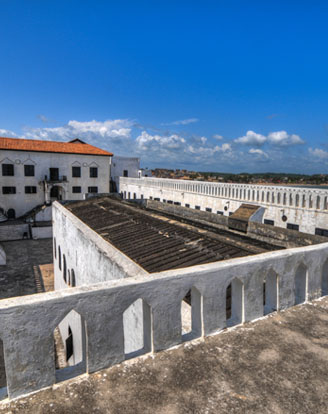
- Bunce Island — The ruins of a former slave-trading fort in the Sierra Leone River estuary, reached by boat.
- National Museum — A small museum in the city centre with displays on Sierra Leone’s history and cultures.
- River No. 2 Beach — A beautiful stretch of white sand where a river meets the sea, south of the city.
- Banana Islands — Quiet islands off the peninsula’s tip, popular for snorkelling, fishing and relaxing.
- Big Market — A central market selling crafts, textiles and local produce.
Best time to visit Freetown
Freetown has a tropical climate with a pronounced wet and dry season. The dry season, from November to April, is the best time to visit, with sunny days and calm seas that are ideal for beaches and boat trips. The harmattan wind can bring hazy skies around December and January.
The rainy season, from May to October, is very wet, with July and August among the rainiest months anywhere in West Africa. Heavy downpours can disrupt travel and make roads difficult, though the hills become lush and green. Temperatures stay warm all year, with high humidity.
Getting from the airport
Freetown International Airport is at Lungi, on the far side of the wide Sierra Leone River estuary from the city. Most travellers cross the estuary by water taxi or ferry, which is the quickest way to reach Freetown; boats land on the city side, from where you continue by taxi or hotel transfer.
The alternative route by road around the estuary is much longer and can take several hours. Many hotels can help arrange the water-taxi crossing and onward transfer, which is recommended, particularly for evening arrivals. Allow plenty of time for the journey when flying out.
Where to stay
Most visitors stay in the western part of the city, near the beaches and restaurants.
- Lumley and Aberdeen — Beachside hotels, restaurants and nightlife; ideal for leisure travellers.
- Hill Station — Leafy, quieter area in the hills with good views; suits longer stays.
- City centre — Close to government offices and markets; convenient for business.
- Peninsula beaches — Eco-lodges and guesthouses near River No. 2 and other beaches for a relaxing escape.
Travel tips
- Money: Cash in leones is widely used; cards work mainly in larger hotels, and some businesses quote prices in US dollars.
- Getting around: Traffic can be heavy; use hotel-recommended taxis or drivers, and agree fares in advance.
- Health: Seek medical advice before travel on vaccinations and malaria prevention, and drink bottled water.
- Swimming: Atlantic currents can be strong, so swim where locals do and follow any warnings.
- Language: English is official and widely understood; Krio is the everyday language, and locals appreciate a friendly greeting.
Frequently asked questions
Which airport serves Freetown?
Freetown International Airport (FNA), located at Lungi across the Sierra Leone River estuary from the city.
How do I get from the airport to the city centre?
Most travellers take a water taxi or ferry across the estuary and then a taxi or hotel transfer; the road route is much longer.
What currency is used in Freetown?
The Sierra Leonean leone (SLE).
Do I need a visa to visit Sierra Leone?
Entry requirements depend on your nationality and change from time to time. Check RwandAir’s travel requirements tool or the official government website before you travel.
When is the best time to visit Freetown?
November to April, during the dry season.
Can I visit Bunce Island from Freetown?
Yes. Boat trips run from Freetown to Bunce Island, a historic site linked to the Atlantic slave trade, usually arranged through local operators.
Updated: