



Kumasi is the place to discover Asante history, crafts and traditions, both in the city and in the villages around it.
- Manhyia Palace Museum — The former residence of the Asantehene, telling the story of the Asante kings and their regalia.
- Kejetia Market — One of West Africa’s largest markets, a maze of stalls selling textiles, beads, food and almost everything else.
- Kumasi Cultural Centre — Craft workshops, galleries and the Prempeh II Jubilee Museum in a green setting.
- Okomfo Anokye Sword site — A legendary sword said to be planted in the ground by the priest who helped found the Asante Kingdom.
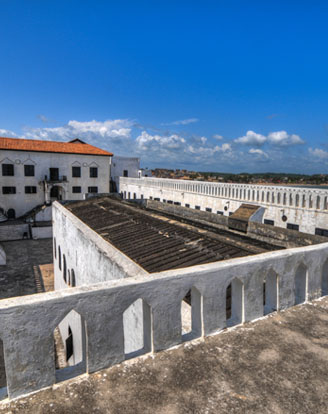
- Military Museum — Housed in the old fort, with displays on regional and colonial-era history.
- Craft villages — Visit Bonwire for kente weaving, Ntonso for adinkra cloth printing and Ahwiaa for woodcarving.
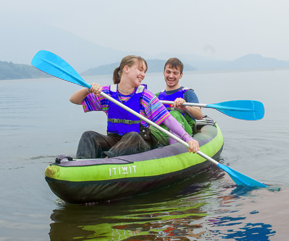
- Lake Bosomtwe — A peaceful crater lake south-east of the city, sacred to the Asante and ideal for a relaxing day trip.
Kumasi has a warm, humid tropical climate. The main rainy season usually runs from about March to July, with a second, shorter rainy period around September to November. The dry Harmattan season, from about December to February, brings hazy skies and slightly cooler mornings.
November to March is generally the most comfortable time to visit, with fewer heavy downpours for exploring markets and craft villages. Asante traditional ceremonies such as Akwasidae take place regularly according to the Akan calendar, so ask locally about dates; major durbars draw chiefs in magnificent regalia.
Prempeh I International Airport is located on the north-eastern side of the city, a relatively short drive from the centre depending on traffic. It handles mainly domestic flights, particularly to and from Accra.
Taxis are available outside the terminal, and ride-hailing apps operate in Kumasi; many hotels also arrange pick-ups. Traffic around the central market area can be very heavy, so allow plenty of time, especially when returning to the airport for a departing flight.
Kumasi offers business hotels, guesthouses and a few upscale options, mostly in the central and southern districts.
- Adum — The commercial centre, close to Kejetia Market and banks; lively and convenient for sightseeing.
- Ahodwo and Nhyiaeso — Quieter, upmarket residential areas with many of the city’s better hotels.
- Danyame — A leafy area with guesthouses and restaurants, suited to longer stays.
- Near the airport — Practical for business visitors and early departures.
- Money: Carry cedis in cash for markets and taxis; mobile money is widely used, and cards are accepted mainly in larger hotels.
- Getting around: Taxis and ride-hailing apps are easiest; agree fares in advance for taxis and hire a driver for craft-village trips.
- Etiquette: Greet people before starting a conversation, use your right hand to give and receive, and show respect at royal and traditional sites.
- Markets: Kejetia is crowded, so keep valuables secure and consider going with a local guide.
- Health: Use mosquito repellent, drink bottled or treated water and check recommended vaccinations before travelling.
Frequently asked questions
Which airport serves Kumasi?
Kumasi is served by Prempeh I International Airport (KMS), on the north-eastern side of the city.
How do I get from the airport to the city centre?
Taxis, ride-hailing apps and hotel pick-ups are the usual options; the drive is fairly short but traffic can be heavy.
What currency is used in Kumasi?
Ghana uses the Ghanaian cedi (GHS). Cash and mobile money are the most common ways to pay.
Do I need a visa to visit Kumasi?
Entry requirements depend on your nationality and can change. Check RwandAir’s travel requirements tool or the official government website before travelling.
When is the best time to visit Kumasi?
November to March is generally the most comfortable period, with less rain.
Where can I see kente being woven near Kumasi?
Bonwire, a short drive from Kumasi, is famous for kente weaving, and visitors can watch weavers at work on traditional looms.
Updated: