
Top things to do in Lagos
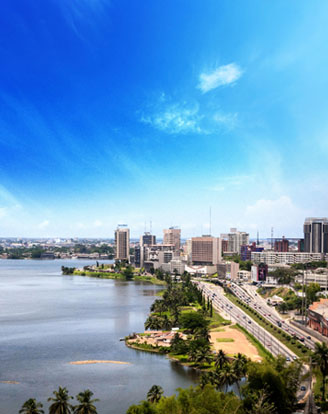
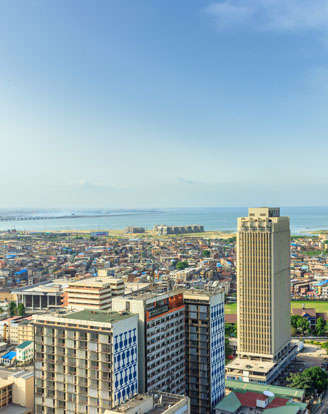
Lagos is a city of islands, lagoons and mainland districts, each with its own character. Plan your days by area to make the most of your time.
- Lekki Conservation Centre — A protected wetland and forest reserve on the Lekki Peninsula, known for its canopy walkway and wildlife such as monkeys and birds.
- Freedom Park — Built on the site of a colonial-era prison on Lagos Island, now a memorial, leisure park and venue for concerts and cultural events.
- National Museum Lagos — In Onikan, its collections of Nigerian art and artefacts give a good introduction to the country's many cultures.
- Lekki Arts and Crafts Market — Browse textiles, carvings, beadwork and paintings, and practise your bargaining skills.
- Tarkwa Bay — A sheltered beach reached by boat from the mainland, popular for a relaxed day by the water.
- Kalakuta Republic Museum — The former home of Afrobeat pioneer Fela Kuti in Ikeja, now a museum celebrating his life and music.
- Badagry — A historic coastal town west of Lagos, with heritage sites linked to the transatlantic slave trade.
Best time to visit Lagos
Lagos is hot and humid all year. The dry season, from about November to February or March, is the most comfortable time to visit, although the dusty Harmattan wind can bring hazy skies from December to February.
The main rainy season runs from around April to July, with heavy downpours that can cause flooding and slow traffic. A shorter rainy period usually follows in September and October. December is especially lively, with concerts, festivals and family celebrations.
Getting from the airport
Murtala Muhammed International Airport (LOS) is in Ikeja, on the mainland north of Lagos Island. Taxis, ride-hailing apps and hotel or pre-booked transfers are the usual ways into the city. Traffic in Lagos can be very heavy, so journeys to Victoria Island, Ikoyi or Lekki may take a long time; allow plenty of margin, especially at rush hour.
Where to stay
Most visitors stay on the islands, which are home to many businesses, restaurants and cultural venues.
- Victoria Island — The main business and leisure district, with plenty of dining and nightlife.
- Ikoyi — An upmarket, leafy residential area that feels calmer while staying close to the action.
- Lekki — A fast-growing peninsula with beaches, shopping and the Lekki Conservation Centre.
- Ikeja — Convenient for the airport and the mainland, and the capital of Lagos State.
Travel tips
- Money: Cards and bank transfers are common in larger venues, but carry some naira in cash for markets, tips and small purchases.
- Getting around: Use ride-hailing apps or arranged drivers, and plan journeys around peak traffic hours.
- Etiquette: Greetings matter in Nigeria, so take a moment to say hello before getting down to business.
- Safety: Keep valuables discreet, avoid walking alone at night and follow local advice about areas to visit.
- What to pack: Light, breathable clothing, sunscreen, insect repellent and an umbrella in the rainy season.
- Before you go: Check the current entry and health requirements for Nigeria before you travel.
Frequently asked questions
What is the best time to visit Lagos?
November to February is generally the best time, as it falls in the dry season. Expect hazy Harmattan skies at times, and a festive atmosphere in December.
Which airport serves Lagos?
Lagos is served by Murtala Muhammed International Airport (LOS), located in Ikeja on the mainland.
How do I get from the airport to the city centre?
Taxis, ride-hailing apps and pre-booked transfers are the easiest options. Traffic can be heavy, so allow extra time to reach the islands.
What currency is used in Lagos?
Nigeria uses the Nigerian naira (NGN). Cards are accepted in many larger venues, but cash is useful for markets and small purchases.
Do I need a visa to visit Nigeria?
Entry requirements depend on your nationality and change from time to time. Check the latest requirements with RwandAir's travel requirements tool or the official government website before you travel.
Is Lagos the capital of Nigeria?
No, Nigeria's capital is Abuja, which replaced Lagos in 1991. Lagos remains the country's largest city and main commercial centre.
Updated: