




Top things to do in Monrovia
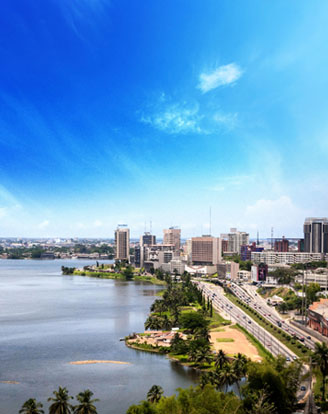
Monrovia’s sights are closely tied to Liberia’s unique history, while its coastline offers beaches and relaxed escapes nearby.
- Providence Island — A small island at the mouth of the Mesurado River where the first settlers from the United States landed in the 1820s, now a place of remembrance.
- National Museum of Liberia — Housed in a historic building on Broad Street, with displays on the country’s history, traditional crafts and culture.
- Ducor Hill — The highest point in the city, on Mamba Point, with sweeping views over Monrovia, the river and the Atlantic.
- Waterside Market — A bustling market near the river, packed with fabrics, household goods and everyday trade.
- Broad Street and downtown — The historic centre, with government buildings, churches and busy shops lining its avenues.
- City beaches — Sandy stretches along the Atlantic coast of the city, popular at weekends for fresh seafood and sunsets. Note that ocean currents can be strong.
- Robertsport — A coastal town north-west of Monrovia, known for its surf breaks, lagoon and peaceful beaches; ideal for a weekend trip.
Best time to visit Monrovia
The best time to visit Monrovia is during the dry season, from November to April. Days are hot and humid but mostly sunny, making it the ideal time for beaches, sightseeing and trips along the coast. The Harmattan wind can bring hazy skies around December and January.
The rainy season runs from May to October, and Monrovia is one of the wettest capital cities in the world. Rain can be very heavy, especially from June to September, causing flooding and making some roads outside the city difficult to use.
Liberia’s Independence Day on 26 July is the country’s biggest national celebration, with parades and festivities. The Christmas and New Year holidays are also a lively time, when many Liberians living abroad return home and the city is at its busiest.
Getting from the airport
Roberts International Airport is located in Harbel, around 55 to 60 kilometres south-east of central Monrovia. The drive to the city usually takes around one hour to one and a half hours, depending on traffic and road conditions.
- Hotel transfers — Many hotels arrange airport pick-ups on request, which is the most convenient and recommended option, particularly for first-time visitors and evening arrivals.
- Taxi — Taxis are available at the airport. They do not use meters, so agree the fare, in US dollars or Liberian dollars, before setting off.
- Private car with driver — Pre-booking a car and driver is a practical option for business travellers and those planning to explore beyond the city.
There is no rail or public shuttle link to the city. Because of the distance, allow plenty of time when returning to the airport, particularly during rush hour and in the rainy season.
Where to stay
Monrovia stretches along the coast, and traffic can be heavy, so choose a base close to where you plan to spend most of your time.
- Mamba Point — A central, elevated district near the ocean with hotels, restaurants and embassies; ideal for first-time visitors and business travellers.
- Downtown and Broad Street — Close to government offices, banks and the National Museum, convenient for meetings and sightseeing.
- Sinkor — A long, busy district running along Tubman Boulevard, with offices, restaurants and a wide range of accommodation.
- Congo Town — A residential area further east with beaches and a quieter atmosphere, and slightly closer to the road to the airport.
- Paynesville — A large eastern suburb that is practical for travellers heading towards the airport or the interior.
Travel tips
- Travel advice — Check your government’s current travel advice for Liberia before planning your trip and review it again shortly before departure.
- Payment — Both US dollars and Liberian dollars are used. Carry clean, recent US dollar notes and small Liberian dollar notes for everyday purchases; cards are accepted only in some hotels and businesses.
- Airport journey — The airport is a long drive from the city, so arrange your transfer before arrival and leave early for departures.
- Beach safety — Atlantic currents can be strong. Swim only where locals advise it is safe, and avoid swimming alone.
- Health — Seek travel health advice well before your trip, use insect repellent and drink bottled or treated water.
- Entry requirements — Visa and entry rules depend on your nationality. Check the latest requirements with official sources before you travel.
Frequently asked questions
What is the best time to visit Monrovia?
The dry season, from November to April, is the best time to visit, with mostly sunny days ideal for beaches and sightseeing. The rainy season runs from May to October, with the heaviest rain mid-year.
Which airport serves Monrovia?
Monrovia is served by Roberts International Airport (ROB), Liberia’s main international airport, located in Harbel, around 55 to 60 kilometres south-east of the city centre.
How do I get from the airport to the city centre?
Most visitors use a hotel transfer, taxi or pre-booked car. The drive to central Monrovia usually takes around one hour to one and a half hours, depending on traffic and road conditions.
What currency is used in Monrovia?
Liberia uses the Liberian dollar (LRD), and the US dollar is also widely accepted. Carry small notes in both currencies, as cash is used for most everyday purchases.
Do I need a visa to visit Liberia?
Visa requirements depend on your nationality and the purpose of your trip. Please check official government sources or the IATA Travel Centre for the latest entry requirements before travelling.
Why is Providence Island important?
Providence Island is where the first settlers from the United States landed in the 1820s, marking the beginnings of modern Liberia. It is a symbolic heritage site in the heart of Monrovia.
Updated: