



Top things to do in Niamey
Niamey’s riverside setting and markets offer an authentic taste of the Sahel.
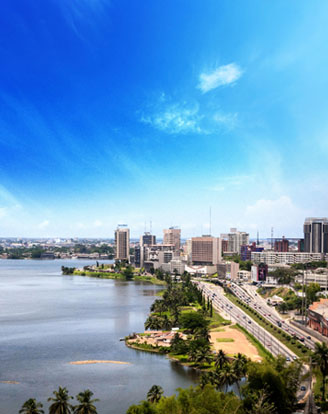
- Niger River — Take a pirogue trip or watch the sunset over the river and its islands.
- Boubou Hama National Museum — A large museum and park with pavilions on Niger’s cultures, crafts, dinosaur fossils and a small zoo.
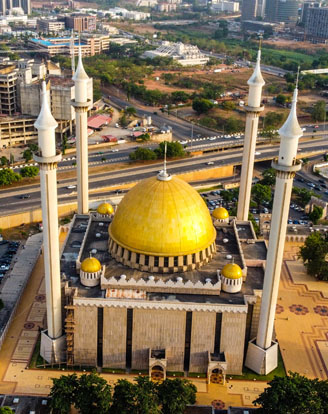
- Grand Mosque — The city’s main mosque, with a tall minaret visible across the centre.
- Grand Marché — A sprawling market selling fabrics, leatherwork, spices and household goods.
- Petit Marché — A lively central market known for fresh produce and street food.
- Kennedy Bridge — The historic bridge across the Niger, with views of river life.
- Kouré giraffe zone — An area east of the city where West African giraffes roam freely, usually visited with a local guide.
Best time to visit Niamey
Niamey has a hot semi-arid climate and is one of the hottest capitals in the world. The best time to visit is from November to February, during the cool dry season, when days are warm and sunny and nights can be pleasantly fresh, although the harmattan wind may bring Saharan dust.
March to May is extremely hot, with temperatures often very high in the afternoon. The short rainy season, roughly from June to September, brings storms and some relief from the heat, and the river rises. Giraffe viewing at Kouré is generally easiest in the dry season.
Getting from the airport
Diori Hamani International Airport lies about 10 km south-east of central Niamey, and the drive into the city usually takes around 15 to 25 minutes depending on traffic.
Most visitors are met by their hotel, employer or tour operator, which is the recommended and simplest option. Taxis are also available outside the terminal; agree the fare before departing, as meters are not used. Arranging your transfer before you fly makes arrival smoother, especially for late-evening flights.
Where to stay
Most international visitors stay in central districts or along the river.
- Plateau — An administrative district with ministries, embassies and business hotels; convenient for work trips.
- Riverside — Hotels near the Niger River with views and a calmer atmosphere; suits longer stays.
- City centre near the markets — Lively and convenient for shopping and local life.
Travel tips
- Travel advice: Check your government’s latest travel advice for Niger before booking and travelling, and follow local guidance, particularly for trips outside the city.
- Money: Cash in CFA francs is essential; cards are accepted only in some larger hotels.
- Heat: Drink plenty of water, wear sun protection and plan outdoor activities for early morning or late afternoon.
- Etiquette: Dress modestly, greet people before asking questions and ask before photographing anyone.
- Language: French is widely used in business and administration; a few greetings in Hausa or Zarma are appreciated.
Frequently asked questions
Which airport serves Niamey?
Diori Hamani International Airport (NIM), about 10 km south-east of the city centre.
How do I get from the airport to the city centre?
Most visitors use a pre-arranged hotel or company transfer; taxis are also available, and the drive takes around 15 to 25 minutes.
What currency is used in Niamey?
The West African CFA franc (XOF).
Do I need a visa to visit Niger?
Entry requirements depend on your nationality and change from time to time. Check RwandAir’s travel requirements tool or the official government website before you travel.
When is the best time to visit Niamey?
November to February, during the cooler dry season.
Where can I see giraffes near Niamey?
The Kouré area east of the city is home to West African giraffes, which can be seen with a local guide.
Updated: